A linear voice coil motor converts electrical current into controlled linear motion, often with smooth and responsive force. Engineers use these actuators in precision stages, optical equipment, medical instruments, and automated production systems. Small details matter. Required stroke, peak force, duty cycle, and heat limits can change which motor suits an application. A compact model may fit a tight assembly, yet still fall short under continuous operation. Published specifications also vary in test conditions, so figures should be checked against the actual design requirements. That distinction is easy to miss.
This guide introduces ten manufacturers serving markets worldwide and outlines factors that help buyers compare them. It considers product range, customization, technical documentation, application experience, and available engineering support. The list is a starting point, not a universal ranking; the best supplier depends on the motion profile, operating environment, and integration needs. Buyers should review force-versus-current data, stroke limits, thermal behavior, and mounting details. Ask how performance was measured. Confirm that the proposed motor and driver work together under the intended load and cycle. A polished catalog is useful, but it cannot replace application-specific testing. Some details may remain unclear until a prototype runs. That is worth acknowledging. Careful comparison, supported by current datasheets and direct technical discussions, can reduce selection risk and help teams choose a solution that performs reliably in the finished machine.

A linear voice coil motor produces straight-line motion through the interaction of electric current and a magnetic field. A coil sits within a magnetic assembly, and current flowing through it creates force. In many designs, the coil moves while the magnet remains fixed, though arrangements can vary. Reverse the current, and the force direction changes. No gears are needed.
The motor responds quickly and can deliver smooth, finely controlled movement over a designed stroke. A controller adjusts current, while an encoder or other position sensor may provide feedback. In a test fixture, for example, the motor can move a small probe toward a surface and retract it with controlled force. These features suit camera focusing, optical equipment, precision stages, and haptic devices. Yet direct drive does not mean effortless precision. Heat builds as current flows, and available force depends on the motor’s geometry and cooling. Stroke, load, and duty cycle all matter. A specification sheet alone may not reveal how the motor behaves in a real assembly. Testing under actual operating conditions remains important.
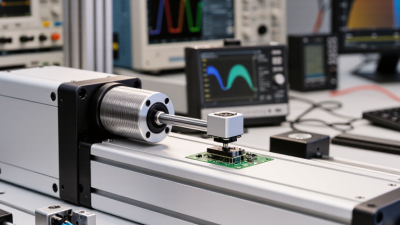
A linear voice coil motor (VCM) turns electrical current into straight-line motion. Current flows through a wire coil inside a magnetic field. The interaction produces force, moving the coil or magnet along a guided path. Reverse the current, and the force changes direction. No gears are needed. Unlike a stepper motor, a VCM usually needs a position sensor and controller for precise positioning. Its force is approximately proportional to current over a useful operating range, though heat and magnetic limits matter.
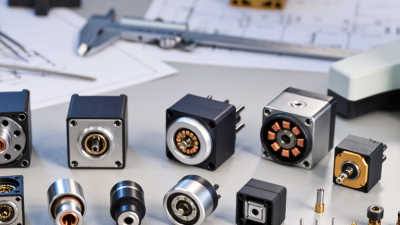
A typical assembly includes a copper coil, permanent magnets, a steel return path, and a frame. Copper conducts well, but its resistance creates heat during sustained operation. Some designs use aluminum wire to reduce moving mass, with different electrical trade-offs. Magnets may use neodymium-iron-boron or ferrite; the choice depends on force, temperature, cost, and available space. Steel guides magnetic flux, while aluminum housings can keep the structure light. Materials vary by design.
The suspension or linear guide keeps the moving part aligned. In a small optical stage, that may mean a flexure spring; larger systems may use bearings. A tiny gap between coil and magnet is important, so dust, side load, or poor alignment can affect smoothness. Heat matters. Cooling and duty cycle deserve attention, not just peak force. Specifications can look tidy on paper, but real performance depends on mounting and control tuning. That detail is easy to underestimate.
How it works: Current flowing through the coil interacts with the motor’s magnetic field to produce linear force. The chart shows a representative example using a force constant of 4 N/A: force increases in proportion to current. Actual motor performance varies by design.
Common materials: copper windings, permanent magnets (often neodymium), a steel or iron magnetic circuit, and an aluminum housing or support structure.
Linear voice coil motors are used where motion must start and stop quickly over a controlled, usually short, distance. In optical inspection equipment, they move lenses or cameras to focus on fine features without gears introducing backlash. The result can be repeatable positioning at the scale required for detailed imaging.
Small shifts matter.
In laboratory automation, these motors can position sample trays, pipettes, or measurement heads. Their direct-drive motion suits frequent adjustments, such as moving a sensor between test points. They also appear in precision dispensing and packaging machines, where a controlled stroke helps maintain consistent placement. Actual performance depends on the motor, controller, guides, and feedback sensor working together.
They are not a universal replacement for screw-driven stages. A voice coil produces force while current flows, so heat, duty cycle, and cooling deserve careful attention. I have seen compact motion designs look excellent on paper, then struggle when asked to hold position continuously.
That deserves a second look.
Before selecting a motor, engineers should check required travel, payload, acceleration, positioning accuracy, and operating temperature. A short bench test with the real load can reveal friction or vibration that a specification sheet will not.
Evaluating a linear voice coil motor manufacturer starts with the motion profile, not a catalog headline. Define the stroke, payload, acceleration, duty cycle, and allowable settling time. Ask for continuous and peak force ratings under stated operating conditions. Numbers without test conditions are hard to compare. Look for force-constant data, resistance, moving mass, and thermal limits. A compact motor may fit the assembly but overheat during repeated cycles. Check whether the supplier can explain that trade-off clearly.
Request test records for the configuration closest to your application. Useful evidence includes force-versus-current curves, temperature-rise measurements, and repeatability results across multiple units. Ask how the motor behaves with your chosen encoder, amplifier, and cooling method. Small integration details matter. A cable that flexes poorly can disturb an otherwise precise stage. Discuss mounting tolerances, lead times, customization limits, and replacement support before committing. If possible, test a sample using your actual load and motion sequence. One honest caveat: early tests rarely capture every production variation, so agree on acceptance criteria and verify them on delivered units. A responsive engineering contact is valuable, but documented data should carry more weight than confident promises.
A credible worldwide comparison of the top 10 linear voice coil motor manufacturers should look beyond catalog force ratings. Buyers need to compare continuous and peak force, stroke, moving mass, thermal limits, encoder options, and service support. Small details matter. A motor may meet a peak-force target yet overheat during repeated cycles. Published performance should therefore be checked against duty cycle, ambient temperature, and mounting conditions.
The automation market offers useful context, though it does not measure voice coil motor sales directly. The International Federation of Robotics’ World Robotics 2024 report recorded 541,302 industrial robot installations in 2023; about 70% were in Asia. That scale highlights demand for precise, responsive motion components. For a practical top-ten assessment, examine documented force curves, repeatability, lead times, customization, and technical support across regions. Ask for test conditions, not just headline specifications. A comparison can still miss real-world differences: cable routing, heat removal, and controller tuning may change performance on the machine floor.
Sierramotion engineers help customers design solutions to complex motion problems. Whether a simple coil, or a precision motion assembly working in vacuum, Sierramotion has the experience to create a solution that works the first time.