Top 10 Types of Electromagnetic Linear Motors?
Electromagnetic linear motors convert electrical energy directly into straight-line motion. They remove the rotating shaft, gearbox, and many mechanical transmission stages. That simple idea can look deceptively easy.
Engineer and physicist Eric Laithwaite, a major linear-motor pioneer, famously described the principle this way: “A linear motor is an electric motor unrolled.” The phrase remains useful, but it does not explain every design choice. Engineers still balance force, speed, heat, accuracy, vibration, and installation cost.
This guide explores the top 10 types of electromagnetic linear motors used in automation, transport, manufacturing, and research. It considers tubular motors, flat linear motors, voice-coil actuators, linear induction motors, and permanent-magnet synchronous designs. Each type creates motion differently, even when the operating principle appears similar.
Real equipment reveals the differences. A cleanroom stage may require nanometer-level positioning. A factory shuttle may prioritize acceleration and continuous duty. A magnetic levitation system faces different demands again. No single motor wins every application.
The comparison also examines mover construction, feedback systems, cooling methods, force density, and maintenance needs. These details matter. A motor with impressive peak thrust may perform poorly under sustained heat. A compact actuator may offer excellent precision but limited travel.
The ranking is therefore practical, not absolute. Industry terminology also varies between manufacturers and researchers. Some categories overlap. That imperfection deserves attention, because selecting an electromagnetic linear motor requires measured engineering judgment rather than attractive specifications alone.
Electromagnetic Linear Motors: Definition, Structure, and Operating Principles
Top 10 Types of Electromagnetic Linear Motors
Electromagnetic linear motors create straight-line motion through controlled magnetic fields. Unlike rotary motors, they produce thrust without gears, belts, or crank mechanisms. Their main structure includes a stator, mover, magnetic elements, windings, sensors, and a power controller. In operation, alternating current energizes the windings. The resulting magnetic field attracts, repels, or synchronizes with the mover.
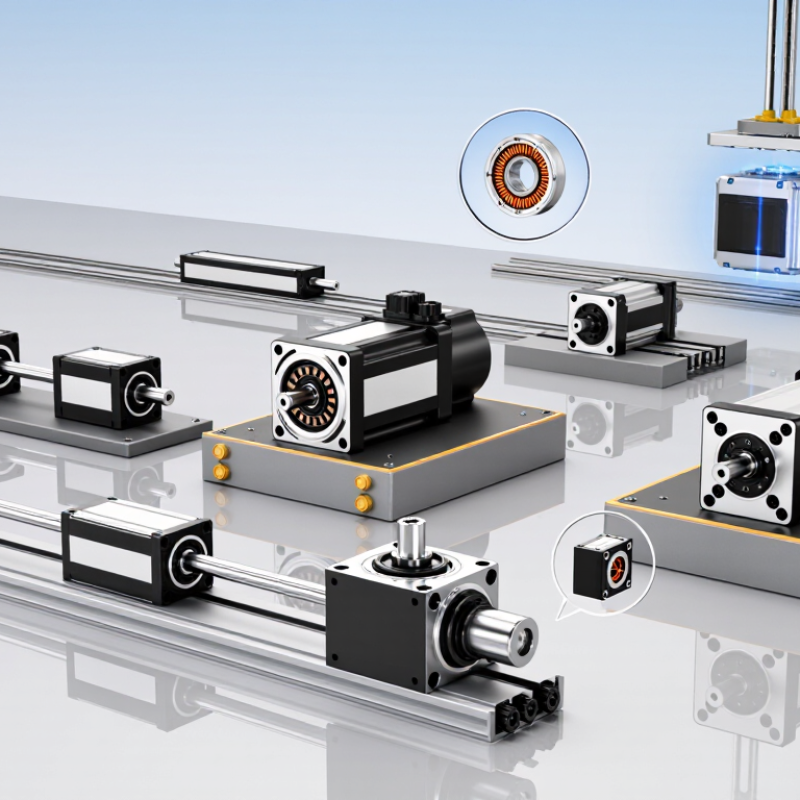
Common designs include tubular, flatbed, voice-coil, synchronous, asynchronous, reluctance, induction, permanent-magnet, iron-core, and ironless linear motors. These categories can overlap. For example, a tubular motor may also use permanent magnets and synchronous control. Iron-core models often deliver strong force, while ironless designs reduce magnetic attraction and moving mass. Voice-coil motors provide smooth short-stroke movement, but they may generate heat during continuous operation. Selection depends on stroke length, acceleration, force, precision, cooling, and duty cycle.
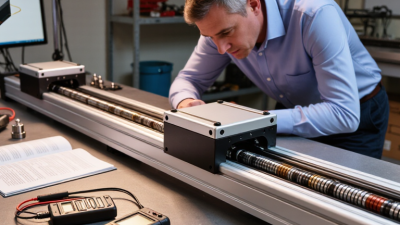
Tips: Check the force curve under real load conditions, not only the catalog rating. Measure heat near the windings after repeated cycles. Keep the guide system aligned; small offsets can increase friction and vibration. A practical test fixture reveals problems early. My own preference is to compare several control profiles, because the smoothest setting is not always the fastest. Some specifications still look convincing until the motor runs continuously.
Ten Core Types Classified by Magnetic Force and Motion Mechanism
Top 10 Types of Electromagnetic Linear Motors?
Ten Core Types Classified by Magnetic Force and Motion Mechanism
Electromagnetic linear motors convert magnetic force directly into straight-line motion. Ten core types cover most engineering discussions. Voice-coil motors use Lorentz force for short, smooth strokes. Tubular permanent-magnet motors provide efficient continuous thrust. Flat permanent-magnet motors suit compact positioning stages. Iron-core synchronous motors generate strong force but may create cogging. Ironless motors reduce moving mass and improve response. Their force feels exceptionally clean.
Induction linear motors produce thrust through a traveling magnetic field and induced currents. Reluctance motors move toward the lowest magnetic resistance path. Switched-reluctance motors control that movement through timed coil energizing. Hybrid stepper linear motors combine permanent magnets with sequential magnetic alignment. Solenoid or plunger motors deliver simple, powerful strokes, usually with limited travel. These categories can overlap. Real machines often borrow features from several types.
Tips: Match the motor to stroke, load, speed, duty cycle, and positioning accuracy. Check force across the whole travel, not only at the starting point. Measure heat near the coil after repeated cycles. A motor that looks efficient on paper may perform poorly with friction, guides, or poor cooling. Keep cables flexible and verify alignment before increasing current. This classification is useful, but not perfect. Magnetic circuits vary widely in practice.
How Each Linear Motor Type Works and Where It Is Used
Top 10 Types of Electromagnetic Linear Motors
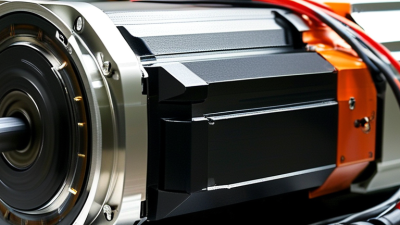
Electromagnetic linear motors create straight-line motion without converting rotation through screws or belts. Tubular permanent-magnet motors use magnetic fields around a cylindrical mover. They suit compact actuators, inspection tools, and medical positioning equipment.
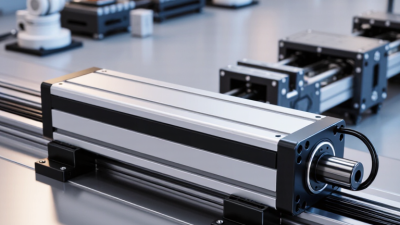
Flat permanent-magnet synchronous motors generate thrust along a rail. They commonly drive semiconductor stages, pick-and-place systems, and precision tables. Iron-core motors produce strong force through a ferromagnetic core. They work well in heavy automation, although cogging can disturb smooth movement.
Ironless motors remove that core. Their low moving mass benefits high-speed scanning and delicate optical equipment.
Moving-coil motors, often called voice-coil motors, use a coil moving through a permanent-magnet gap. They provide short, accurate strokes in lens focusing, valves, and laboratory instruments.
Induction linear motors create thrust through induced currents in a conductive reaction plate. Airports and material-handling lines may use them for contactless propulsion. Reluctance motors move toward the path of lowest magnetic resistance. Their rugged construction helps industrial transport, but vibration and control noise need attention.
Switched-reluctance linear motors use controlled magnetic pulses. They can deliver useful force in harsh environments.
Hybrid linear motors combine permanent magnets with reluctance effects. This arrangement can improve force density and holding ability in robotics.
Linear oscillatory actuators repeatedly move a plunger over a limited distance. They appear in pumps, haptic devices, and compact feeders.
The categories overlap more than catalog charts suggest. That is worth remembering.
In real machine integration, heat, guides, feedback resolution, and duty cycle often matter more than peak thrust. A motor that looks ideal on paper may feel rough after installation. Testing the complete mechanism remains essential.
Performance Comparison: Speed, Thrust, Precision, and Efficiency
Top 10 Types of Electromagnetic Linear Motors
Performance depends on the job, not the motor name alone. Flat iron-core permanent-magnet motors deliver high thrust and strong acceleration. Their iron teeth also create cogging, which can reduce low-speed precision. Ironless motors run more smoothly and respond quickly, but they usually produce less continuous thrust. Tubular permanent-magnet motors provide compact force with excellent stiffness. Heat removal can become difficult inside a small tube.
Voice-coil motors offer exceptional precision and almost silent motion. They suit short strokes, focusing stages, and delicate inspection equipment. Linear synchronous motors can reach very high speeds while maintaining accurate positioning. Linear induction motors are robust and mechanically simple, yet their efficiency often falls at low speed. Synchronous-reluctance motors avoid permanent magnets and can tolerate harsh temperatures. Their control system is more demanding. Switched-reluctance motors are durable, but torque ripple can disturb fine positioning.
Linear stepper motors provide reliable incremental movement without feedback, although missed steps remain a real risk. Hybrid linear steppers improve holding force, but they may generate audible vibration. For thrust, iron-core and tubular designs often lead. For precision, ironless and voice-coil designs usually perform better. For efficiency, synchronous permanent-magnet types often win under controlled loads. Speed favors linear synchronous and induction designs. Actual results change with stroke length, cooling, payload, drive tuning, and guide friction. Real installations are less tidy. A theoretical winner can lose after dust, heat, or poor alignment enters the machine. I would measure force, temperature, settling time, and energy at the intended duty cycle.