How to Start a Red Light Therapy Spa in 2026?
Opening a Red Light Therapy Spa in 2026 requires more than attractive lighting and relaxing music. It demands clinical awareness, careful planning, and a clear understanding of client expectations. The industry is growing, but public interest can move faster than scientific evidence. That gap deserves attention.
Dr. Michael R. Hamblin, a leading photobiomodulation researcher, describes the field this way: “Photobiomodulation is the application of red and near-infrared light to stimulate healing, relieve pain and inflammation, and prevent tissue damage.” His statement offers a useful foundation, but it does not guarantee identical results for every client. A responsible spa should communicate that difference clearly.
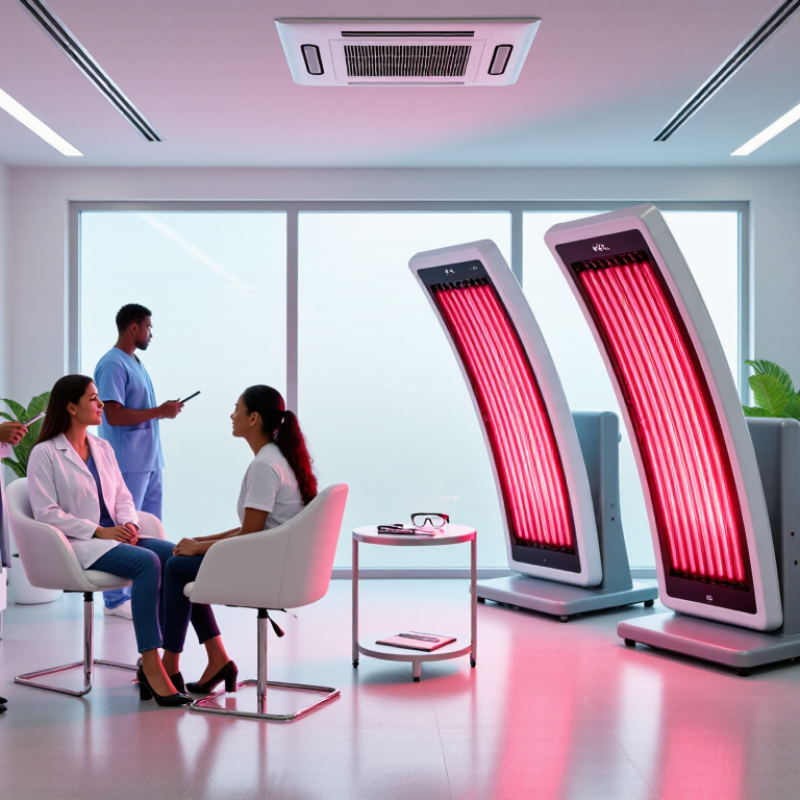
The strongest business plans begin with the client journey. Imagine a clean consultation room, adjustable treatment panels, protective eyewear, and a documented session schedule. Staff should understand light wavelengths, exposure times, equipment maintenance, and basic skin responses. They also need to recognize when a client requires professional medical advice instead of a spa session.
Trust is built through evidence and consistency. Choose equipment with transparent specifications, credible testing, and dependable manufacturer support. Maintain accurate records without overstating outcomes. Avoid promises about curing disease, replacing medical treatment, or producing instant transformation.
The details matter.
Pricing, ventilation, privacy, accessibility, sanitation, and staff training all shape the experience. Local business, safety, advertising, and health requirements must also be reviewed before opening. Some plans will change after real client feedback. That is normal, and perhaps necessary.
This guide explores the practical decisions behind launching a Red Light Therapy Spa in 2026, including market positioning, treatment design, risk awareness, budgeting, and sustainable growth.
Define Your 2026 Spa Model Around 630–660 nm and 810–850 nm PBM
Opening a red light therapy spa in 2026 starts with a precise wavelength strategy. Build your model around red light at 630–660 nm and near-infrared light at 810–850 nm. Red light mainly supports surface-focused cosmetic goals. Near-infrared light reaches deeper tissue and may support recovery-focused sessions. Outcomes depend on irradiance, dose, distance, and treatment time, not wavelength alone.
The Global Wellness Institute valued the global wellness economy at $6.3 trillion in 2023. It projects growth toward $9 trillion by 2028, showing strong consumer interest in measurable wellness services. MarketsandMarkets also forecasts continued expansion in the photobiomodulation device market through 2028. Use these figures for planning, not promises.
A practical spa layout could include adjustable panels, washable surfaces, eye protection, and a consultation area. Record session distance, exposure time, skin response, and client feedback.
Tips: Begin with conservative protocols and document every adjustment. Screen clients for photosensitivity, medication risks, eye conditions, and relevant medical concerns. Refer uncertain cases to qualified healthcare professionals. Do not claim to treat disease. A mistake worth examining is offering identical sessions to everyone. Body area, comfort, skin sensitivity, and client goals can differ sharply. Staff training should include device measurement, cleaning procedures, informed consent, and local operating requirements. A calm room and visible timer often build more trust than dramatic marketing.
Validate Demand Against the Red Light Therapy Market’s 10%+ CAGR
How to Start a Red Light Therapy Spa in 2026?
A projected 10%+ CAGR makes red light therapy attractive, but broad market growth does not guarantee local demand. Validate interest before signing a long lease. Interview gym members, wellness clients, and nearby residents. Ask what they would pay for a 10-minute session. Review competitor pricing, opening hours, reviews, and customer complaints. A small pilot can reveal more than a polished business plan.
Build your offer around measurable operations. Track bookings, repeat visits, session length, cancellations, and acquisition costs. Use equipment with clear safety documentation and maintain written cleaning procedures. Staff should explain realistic outcomes without promising disease treatment or guaranteed results. Qualified healthcare professionals can review customer screening and referral procedures. Local licensing, advertising, privacy, and consumer protection rules also require careful checking.
Tips: Start with a modest room layout. Test two pricing options. Offer short introductory sessions. Record customer feedback immediately. Do not confuse curiosity with demand. Some visitors may try one session and never return. That possibility should shape your forecast. Recalculate break-even monthly, especially when rent, staffing, maintenance, and insurance costs change. Trusted suppliers, transparent consent forms, and accurate session records can strengthen credibility. One weakness remains: market forecasts are estimates, not promises.
Secure Compliance With FDA Claims, IEC 60601-1, and Local Regulations
How to Start a Red Light Therapy Spa in 2026?
Compliance should shape your spa before the first lamp is installed. Define every service claim in writing. Use measured language such as “supports temporary skin appearance improvement,” only when evidence supports it. Avoid promises about curing disease, replacing treatment, or producing guaranteed results. In the United States, confirm whether your device requires FDA clearance, registration, listing, or another pathway. Registration alone does not mean FDA approval.
IEC 60601-1 testing deserves practical attention. Request current test reports from the manufacturer, then verify the report’s scope and device model. An accredited laboratory should assess electrical safety, insulation, leakage current, and essential performance. Keep serial numbers, maintenance records, and incident logs. A loose cable near a wet treatment area is not a small detail. It is a preventable hazard.
Local rules can change the business plan. Check zoning, occupancy limits, fire protection, electrical permits, sanitation procedures, accessibility, insurance, and staff licensing requirements. Ask the authority having jurisdiction for written guidance. Use informed consent forms, client screening, eye-protection instructions, and clear aftercare sheets. Train staff to pause sessions when a client reports unusual discomfort. I would not pretend that one checklist fits every city. Regulations change, and some interpretations remain unclear. A qualified regulatory adviser and local attorney can review your claims, contracts, and operating procedures before opening.
Red Light Therapy Spa Compliance Priorities for 2026
This planning chart highlights the main compliance workstreams for a red light therapy spa. FDA claims must be supported by appropriate evidence and must not imply treatment of diseases without the required authorization. IEC 60601-1 addresses basic safety and essential performance for applicable medical electrical equipment, while local rules may cover facility licensing, electrical inspections, sanitation, accessibility, advertising, and practitioner requirements. Priority scores are planning values, not legal ratings; requirements vary by intended use, device classification, jurisdiction, and marketing claims.
Launch Operations and Measure Retention, Revenue, and Treatment Outcomes
Opening a red light therapy spa in 2026 requires an operating system, not only attractive equipment. Define each session by duration, staffing, cleaning time, and room capacity. The International Spa Association’s 2024 U.S. Spa Industry Study reported $21.3 billion in 2023 revenue and 192 million visits. These figures suggest demand, but they do not guarantee local retention. Track first-visit conversion, rebooking before checkout, monthly retention, and revenue per treatment hour.
For outcomes, record baseline photos with written consent, comfort scores, session frequency, and client-reported changes. Avoid promising medical results. Use consistent lighting, camera distance, and questionnaire wording. A simple dashboard can compare retention with reported outcomes and adverse reactions. The Global Wellness Institute estimated the global wellness economy at $6.3 trillion in 2023. That figure offers context, not proof of red light demand. Grand View Research forecasts strong growth for the light therapy market, but forecasts can miss pricing, seasonality, and weak follow-up. Early data may look untidy. Review it anyway.
Tips: Set a 90-day baseline before changing prices. Audit five client records weekly. Ask why clients leave. Separate cancellations from failed rebooking. Keep funds for device maintenance. My imperfect rule: trust patterns, not one impressive week. Have a qualified professional review safety procedures and promotional claims.