How to Choose the Best LPG Generator for Your Needs?
Choosing the best Lpg Generator starts with a clear understanding of your power needs. A small home may require reliable backup for lights, refrigeration, and internet equipment. A workshop may need steady power for motors, compressors, and welding tools. Begin with the running load. Then check the starting surge.
LPG power consultant Mark Ellis offers a practical warning: “A generator is only reliable when its fuel system, load capacity, and maintenance plan match the site.” That advice deserves attention. A unit that looks affordable may struggle with high starting currents or extended operation. It may also consume more fuel than expected.
Think beyond rated watts. Measure the actual appliances you will operate together. Consider LPG availability, cylinder size, regulator quality, noise levels, and installation space. A generator placed beside a bedroom can make quiet nights impossible. Poor ventilation can create serious safety risks. Always follow the manufacturer’s instructions and use a qualified technician for electrical connections.
Weather matters too. Cold temperatures, dust, humidity, and high altitude can affect performance. Automatic transfer systems add convenience, but they also require correct installation and testing. Maintenance is easy to ignore. It should not be.
There is no perfect choice.
The right LPG Generator balances output, runtime, safety, service support, and total ownership cost. Some buyers focus only on purchase price. That can be a costly mistake. A careful comparison, supported by verified specifications and professional advice, will produce a more dependable decision. Even experienced users should recheck their assumptions before buying.
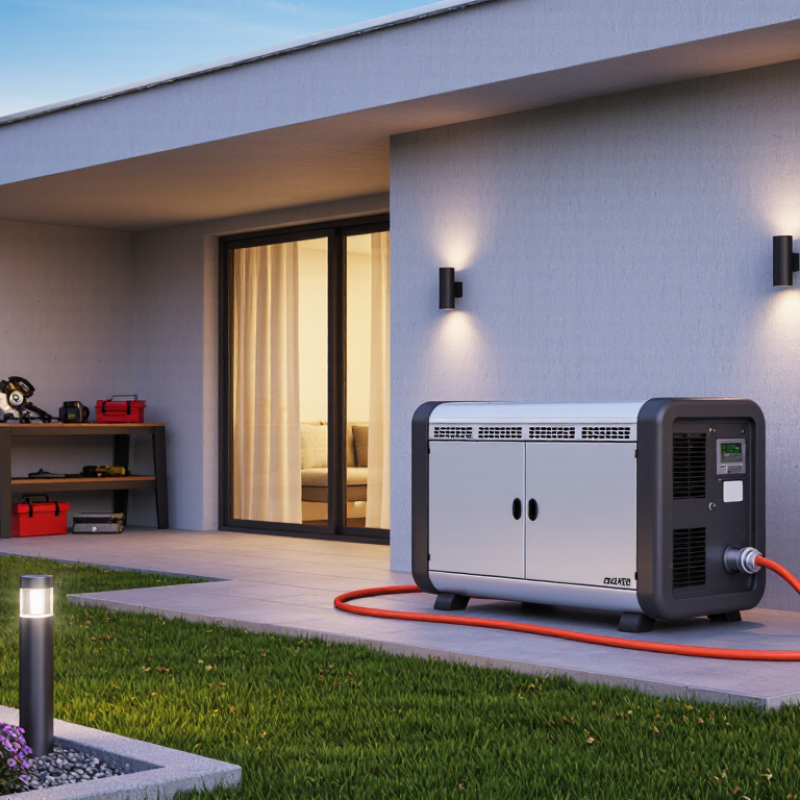
Understanding LPG Generator Types and Operating Principles
How to Choose the Best LPG Generator for Your Needs?
LPG generators usually use a spark-ignition engine. A regulator reduces tank pressure, then feeds vapor into the mixer or fuel injector. The air-fuel mixture burns inside the cylinder. This rotation drives an alternator, producing electricity.
Simple in theory.
Portable models suit tools, pumps, and short outages. Standby units connect to a transfer system and start automatically when utility power fails. Prime-power units can operate for extended periods, but they need careful maintenance and fuel planning.
According to the U.S. Energy Information Administration, one gallon of propane contains about 91,500 Btu, or roughly 26.8 kWh of thermal energy. Actual electrical output is much lower because engines lose energy through heat, friction, and exhaust.
Sizing should begin with starting watts, not only running watts. A refrigerator, pump, or compressor may briefly demand two to four times its normal load.
LPG also behaves differently in cold weather. A nearly empty cylinder may struggle to vaporize fuel fast enough, causing unstable operation. That detail is often missed.
The U.S. Department of Energy’s Alternative Fuels Data Center identifies propane as a cleaner-burning fuel than gasoline, but emissions still depend on engine tuning and load.
Choose a generator with suitable voltage, frequency control, ventilation, and certified installation.
My own preference is to leave spare capacity, although excessive oversizing can reduce efficiency during light loads. Perfect sizing is rarely perfect.
Assessing Your Power Requirements and Fuel Consumption
Choosing an LPG generator starts with measured demand, not the largest number on a brochure. List refrigerators, pumps, heaters, and electronic equipment separately. Record running watts and starting watts. Motors may briefly need two to seven times their running power, depending on design and condition. Add those peaks carefully. Oversizing wastes fuel and can reduce efficiency during light loads.
Fuel planning needs a clear energy calculation. The U.S. Energy Information Administration reports that one gallon of propane contains about 91,452 Btu, equal to roughly 26.8 kWh of heat. A 10 kW generator operating at 25% fuel-to-electric efficiency could consume about 1.5 gallons per hour at full output. Real consumption changes with temperature, maintenance, altitude, and load. ISO 8528 testing principles also distinguish rated, standby, and continuous ratings. Do not confuse them. My first estimate was too optimistic because I ignored refrigerator startup and battery charging losses. That gap matters.
Tips: Run a temporary load test before buying. Use a meter for actual watts, then add a practical reserve of 20–25%. Check the LPG tank’s vaporization capacity in cold weather. A small tank may contain enough fuel, but it may not deliver gas fast enough. Keep a written hourly consumption log during the first week. It exposes assumptions that specifications often hide. A professional electrician should verify transfer equipment and grounding before operation.
How to Choose the Best LPG Generator for Your Needs? - Assessing Your Power Requirements and Fuel Consumption
| Generator Class | Rated Output
(kW) | Typical Maximum Output
(kW) | Recommended Continuous Load
(kW) | Approx. LPG Consumption at 50% Load
(kg/h) | Approx. LPG Consumption at 100% Load
(kg/h) | Approx. Runtime with a 9.1 kg Cylinder at 50% Load
(hours) | Suitable Applications |
| Small Portable | 2.5 | 3.0 | 2.0 | 0.40 | 0.75 | 22.8 | Lighting, refrigerator, internet equipment, small tools, and basic emergency circuits. |
| Medium Portable | 5.0 | 6.0 | 4.0 | 0.70 | 1.35 | 13.0 | Most household essentials, sump pumps, selected kitchen appliances, and moderate construction tools. |
| Large Portable | 8.0 | 9.5 | 6.4 | 1.10 | 2.10 | 8.3 | Whole-panel backup for essential circuits, well pumps, air-conditioning, and heavier workshop equipment. |
| Small Standby | 12.0 | 14.0 | 9.6 | 1.55 | 2.95 | 5.9 | Larger homes, small offices, multiple motor loads, and automatic standby installations. |
| Medium Standby | 15.0 | 17.0 | 12.0 | 1.90 | 3.60 | 4.8 | High-demand residential backup, small commercial sites, refrigeration, pumps, and several air-conditioning units. |
How to estimate the required generator size: Add the running wattage of all devices that may operate at the same time, identify the appliance with the highest starting surge, and add a safety margin of approximately 20% to 25%. Motors, pumps, compressors, and air-conditioners may require two to four times their running power during startup.
Important: LPG consumption and runtime values are typical planning estimates for air-cooled generators operating under stable conditions. Actual results vary with generator efficiency, power factor, altitude, temperature, cylinder size, gas pressure, maintenance condition, and the connected load. Always confirm the final fuel-consumption figures and electrical requirements in the specific generator's technical documentation.
Evaluating Safety Features, Installation, and Maintenance Needs
How to Choose the Best LPG Generator for Your Needs?
Safety should guide your generator choice, not just its rated power. Look for automatic LPG shutoff protection and clear fault indicators. A built-in low-oil shutdown can prevent costly engine damage. The unit must operate outdoors, away from windows, doors, and air vents. Never place it in a garage, even with the door open. Carbon monoxide can collect faster than expected. Confirm that the LPG hose, regulator, and connectors are approved for the generator. Check them for cracks before every use.
Installation affects reliability as much as generator quality. A qualified electrician should connect the transfer switch and grounding system. Improper wiring can send power into the public grid and create serious hazards. Keep the generator level on a firm, dry surface. Leave enough clearance for airflow and servicing. Local installation rules may vary, so verify them before work begins. I have found that rushed installations often hide small problems, such as strained cables or poor ventilation. These issues are easy to overlook.
Tips: Test the generator monthly under load. Inspect hoses and connections for damage. Change the oil according to the service schedule. Keep the area free from leaves, boxes, and fuel-sensitive materials. Record each inspection date. This simple habit reveals neglected maintenance. Also, test the emergency shutdown control occasionally. It may feel unnecessary, but a control that works only on paper offers little protection.
Choosing the Right LPG Generator for Your Budget and Location
Choosing the right LPG generator starts with your budget, but location often changes the real cost. A low-priced unit may suit occasional home backup, while a higher-capacity model fits workshops or rural properties. Calculate the starting wattage of pumps, refrigerators, and motors before comparing prices. Running wattage alone can be misleading.
Think beyond the purchase price. Include fuel storage, delivery, maintenance, cables, ventilation, and professional installation. LPG can burn cleanly, but it still requires safe storage and steady airflow. Check local regulations and use approved cylinders, regulators, and electrical connections. A certified technician should inspect the installation. Small savings are not worth unsafe wiring.
Location also affects performance. Cold weather can reduce fuel vaporization, especially with smaller cylinders. High elevations may lower engine output, so allow extra capacity. Near the coast, corrosion protection matters. For a quiet neighborhood, review the generator’s operating noise and placement distance. Keep it outdoors, away from windows and doors. Never operate it inside a garage or enclosed room.
A practical choice usually leaves some capacity for future appliances. However, oversized generators may waste fuel during light loads. This balance is easy to overlook. Recheck your actual electricity needs after one month of use. Your first estimate may be wrong. That reflection can prevent unnecessary spending and improve long-term reliability.
How to Choose the Best LPG Generator for Your Needs?
Choosing the right LPG generator depends on your required output, expected operating time, local LPG prices, and available ventilation. The chart below compares typical LPG consumption and estimated annual fuel costs at 50% load.
Estimates assume 1,000 operating hours per year and an LPG price of $0.90 per liter. Select a generator with enough capacity for both continuous loads and starting surges, while checking local fuel availability, installation requirements, and noise limits before purchase.