
Choosing Hdpe Welding Equipment in 2026 is not just a matter of comparing price tags. A crew working beside a muddy trench needs a machine that handles the pipe diameter, joining method, and site conditions—not merely one with impressive specifications. Reliability matters. So does repeatable joint quality.
Market reports can provide useful context, but broad HDPE or pipe-market forecasts do not establish which welding machine performs best. Buyers should verify figures against the original report and compare them with practical evidence: documented temperature and pressure controls, traceable calibration, operator training, and service access. The Plastics Pipe Institute’s guidance on polyethylene pipe joining is a useful technical reference; it emphasizes following qualified procedures and equipment instructions. A report cannot replace a welding log or a sound inspection.
One limitation deserves attention: without a verifiable source, attributing a quotation to a named HDPE welding expert would be misleading. This guide therefore focuses on checkable criteria rather than an unsupported endorsement. When assessing Hdpe Welding Equipment, ask whether it can maintain controlled heating and alignment across the pipe sizes you actually use. Check the data logger, clamps, power requirements, and availability of replacement parts. Then consider the setting: a compact workshop and a windy field site make different demands. The best choice is the one your team can operate consistently, document clearly, and support over time.
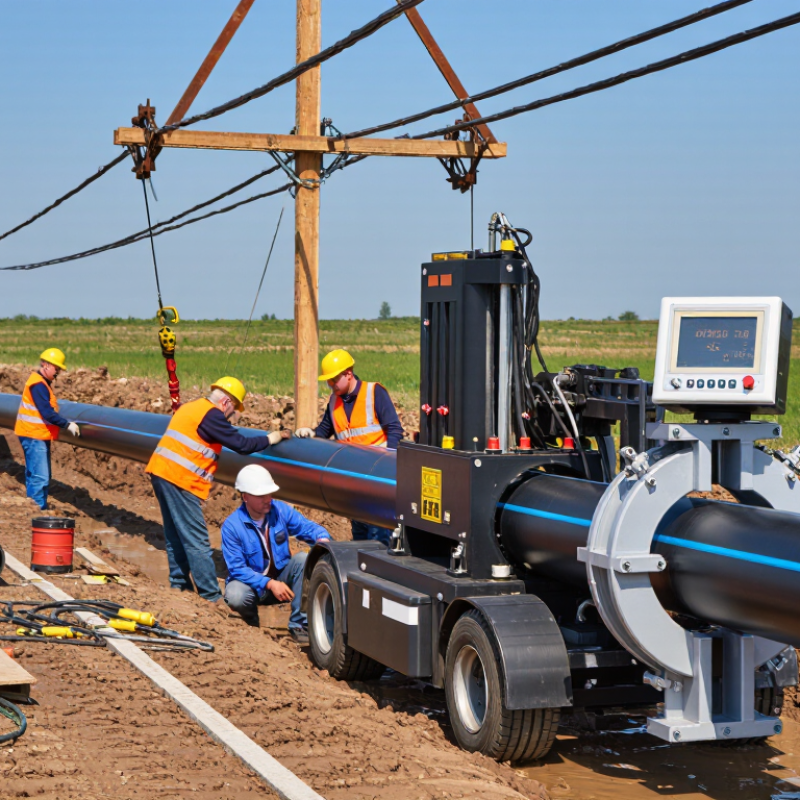
HDPE pipe can be joined by several methods, and each calls for different equipment. Butt fusion uses a heater plate, a pipe-facing tool, and a machine that holds and presses the pipe ends together. The operator trims the ends square, checks alignment, and follows the required heating and cooling times. Small details matter. A slight mismatch can leave a weak joint, even when the bead looks neat.
For fittings and restricted work areas, electrofusion uses compatible fittings, a control unit, and clean, properly prepared pipe surfaces. Scraping and clamping are essential; skipping either step can compromise the connection. Where pipe size, site conditions, and project requirements allow, extrusion welding may suit fabrication or repairs. It needs an extruder, suitable welding rod, and careful control of temperature and travel speed. Not every method fits every job. I find equipment selection is easy to overfocus on: capacity and features matter, but maintenance, operator training, and access to stable power matter too. Before choosing, compare the pipe dimensions and material specifications with the machine’s documented limits, then consider how it will perform in the actual workspace. I would leave room for reassessment; site conditions rarely match a tidy workshop.

Before comparing equipment, define the work it must perform. Record pipe material, outside diameter, wall thickness, joint count, site conditions, and available power. A compact unit may suit occasional repairs, while long production runs demand consistent heating and pressure control. Measure the actual workspace, too. Mud, wind, and limited access can turn a suitable workshop setup into a poor field choice. Details matter.
The U.S. Environmental Protection Agency’s 2023 Drinking Water Infrastructure Needs Survey and Assessment estimates $625 billion in drinking water infrastructure needs over 20 years. That figure does not measure HDPE welding demand, but it signals the scale of planned water-system investment. For a specific project, translate scope into practical capacity: required fusion procedure, pipe-size range, operator workflow, data-recording needs, and maintenance support. ASTM F2620 and ISO 21307 describe butt-fusion practices and procedures; consult the applicable specification and project engineer before selecting machine capability.
Think beyond the largest pipe diameter. How many joints must be completed per shift? Will crews work in a trench, beside a roadway, or in a controlled fabrication area? Check clamping range, facing-tool access, heater handling, generator capacity, and calibration records. A feature-rich system can still be wrong for the job. I would also leave room for uncertainty: site conditions change, and the initial schedule is sometimes optimistic. Choose equipment against documented requirements, then verify it with a trial joint and qualified inspection.
Choosing HDPE welding equipment starts with the joint, not the machine’s advertised power. Pipe diameter, wall thickness, site conditions, and production volume all shape the right choice. The Plastics Pipe Institute’s Handbook of Polyethylene Pipe describes butt fusion as a controlled process involving alignment, heating, joining, and cooling. Equipment should support each step with stable clamping and clear pressure readings. Small movement matters.
Check temperature control and calibration records before comparing cycle speed. ASTM F2620 provides procedures for heat-fusion joining of polyethylene pipe and fittings, including butt fusion. Typical heater settings are often around 400–450°F (204–232°C), but the correct value depends on the approved procedure and equipment. A readable display is useful; a recent calibration record is better. I still find this easy to overlook.
For field work, assess the generator, hydraulic system, and frame together. Cold mornings, dust, and uneven ground can expose weak components fast. The PPI handbook also emphasizes correct alignment and consistent fusion conditions, so look for clamps that hold pipe ends square without slipping. Ask suppliers for documented cycle data, maintenance intervals, and operator training materials—not just a maximum pipe-size claim. A rushed purchase may fit the pipe but frustrate the crew.
How to Choose the Best HDPE Welding Equipment in 2026?
Checking Compatibility, Safety, and Quality Standards
Start with the pipe, not the machine. Confirm the diameter range, wall thickness, resin type, and joint method your projects require. A unit that handles the right diameter may still lack the clamping range or pressure control needed for thicker pipe. Check the power supply and worksite conditions, too. A spec sheet can look complete and still leave a gap. Compatibility is more than size.
Safety and quality go together. Look for secure clamps, insulated handles, a stable frame, and clear temperature controls. For butt fusion, verify that the equipment supports the pressure and heating steps specified by your approved welding procedure. Temperature displays and data records are useful, but they do not prove a sound joint on their own. Operators need suitable training, and measuring devices need regular checks. Inspect cables, heating surfaces, and moving parts before work begins. Small faults matter.
Choosing HDPE welding equipment starts with the joint sizes and conditions you encounter most often. For small repairs or occasional service lines, a manual butt-fusion tool may be easier to justify than a large hydraulic machine. It costs less and travels well, but demands steady operator technique. A compact electrofusion unit can suit confined spaces, though fittings add to the job cost.
For daily pipeline work, hydraulic butt-fusion equipment can provide more consistent pressure and temperature control. Check its capacity against your pipe diameter range, not just the largest project on your schedule. On a muddy site, rugged clamps and protected controls matter. In a cramped trench, overall machine footprint may matter more. Power access matters too. A generator adds weight, fuel planning, and another item to maintain.
Budget for ownership, not only purchase. Ask whether heating plates, facing tools, seals, and calibration support are readily available. Inspect the machine after use: scrape residue carefully, keep electrical connections dry, and record temperature or pressure issues. These habits help spot wear before a critical joint is underway. Still, maintenance schedules can look simpler on paper than they feel during a rushed shift. Compare the manual’s requirements with the crew’s actual time and skills. A cheaper unit is not a bargain if it sits idle waiting for parts.
Sierramotion engineers help customers design solutions to complex motion problems. Whether a simple coil, or a precision motion assembly working in vacuum, Sierramotion has the experience to create a solution that works the first time.