What is Fast Charging DC Technology and Its Benefits?
Fast Charging Dc technology is transforming the way we perceive electric vehicle (EV) charging. Recent industry reports indicate that the global fast charging market is projected to grow from $2.9 billion in 2020 to over $16.6 billion by 2027, reflecting a growing demand for efficient energy solutions. This surge is driven by increased EV adoption and consumer preference for reduced charging times. Fast Charging DC solutions provide power directly to the vehicle's battery, significantly cutting down recharge time compared to traditional charging methods.
A study by the U.S. Department of Energy shows that Fast Charging DC can replenish up to 80% of an EV's battery in as little as 30 minutes. This capability addresses a major concern for potential EV owners—charging time. However, not all Fast Charging DC setups are created equal. Infrastructure challenges, including the availability of high-capacity equipment and grid limitations, can hinder performance.
Furthermore, while Fast Charging DC appears to be a robust solution, it can also lead to battery degradation if not managed properly. Ongoing research is essential to balance rapid charging with battery longevity. Despite these challenges, the potential benefits of Fast Charging DC are vast. It can significantly improve user experience and make EVs a more practical choice for consumers.
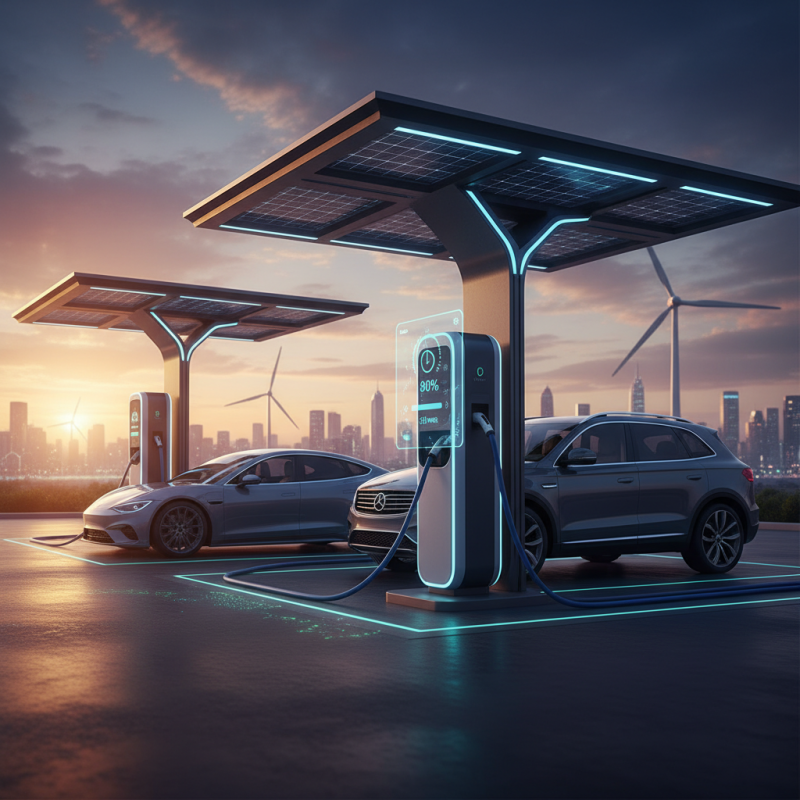
What is Fast Charging DC Technology?
Fast Charging DC Technology refers to the method of delivering electrical energy rapidly to electric vehicles. This technology utilizes direct current (DC) to charge batteries more efficiently than traditional AC charging methods. According to a report from the International Energy Agency, DC fast charging can reduce charging time to as little as 30 minutes, allowing drivers to charge their vehicles while on the go. This speed makes it particularly appealing in urban environments, where quick turnarounds are essential.
Many electric vehicle (EV) manufacturers are adopting this technology. However, the initial infrastructure investment can be significant. For instance, deployment of a DC fast charging station can cost up to $100,000, according to industry estimates. Furthermore, while charging speeds are impressive, the frequent use of high-power charging can affect battery lifespan. Studies indicate that overuse of fast charging may lead to a decrease in overall battery capacity over time. Therefore, while Fast Charging DC Technology provides great convenience, EV users must consider a balanced approach to charging.
Benefits of Fast Charging DC Technology
This graph illustrates the advantages of Fast Charging DC Technology based on various parameters such as charging time, efficiency, and widespread adoption.
Principles of Fast Charging DC Technology Explained
Fast Charging DC technology enables quick and efficient charging for electric vehicles. It works by delivering high voltage DC directly to the battery. This method reduces energy loss during the charging process. As a result, vehicles can charge significantly faster than traditional AC charging.
Electric vehicle batteries are designed to handle specific voltage levels. Using Fast Charging DC technology ensures batteries receive optimal energy. This method also minimizes heat generation, which can damage battery cells. Proper management of battery temperature is crucial for longevity.
Tips: Always check your vehicle’s compatibility with DC charging stations. Charging at the right voltage prolongs battery life. Avoid frequent fast charging to help maintain battery health. Balance is key; regular slower charging can be beneficial too.
It's important to note, not all facilities provide DC fast charging. Access can vary widely. Moreover, while fast charging is convenient, over-reliance may lead to long-term drawbacks. Regular assessments of battery performance can help identify potential issues.
Key Benefits of Fast Charging DC Technology
Fast Charging DC Technology is transforming the way we recharge electric vehicles (EVs). This innovative approach uses direct current (DC) to significantly reduce charging times, benefiting both users and the environment. With the ability to deliver higher power levels, DC fast charging stations can replenish an EV’s battery up to 80% in just 30 minutes. This efficiency helps make electric driving more practical for everyday users.
One major advantage of DC fast charging is convenience. Travelers can quickly charge while stopping at cafes or rest areas. This frees up time for more activities instead of waiting for a slow charge. Additionally, it encourages longer trips, as drivers feel less anxious about battery life. Another important benefit is the reduced strain on the electric grid. Rapid charging technology is designed to manage power distribution effectively, easing load during peak usage times.
However, the technology brings challenges. The initial costs for installation can be high, and not all areas have adequate infrastructure yet. There may also be concerns about the impact on battery life due to higher charging speeds. Users must remain informed about best practices for charging to ensure their battery health. As Fast Charging DC Technology continues to develop, its benefits may reshape the future of transportation.
Applications of Fast Charging DC Technology in Electric Vehicles
Fast charging DC technology is transforming the electric vehicle (EV) landscape. It allows for quicker charging times, making EVs more convenient. This technology converts AC power to DC power, enabling high power levels for faster charging. For drivers, this means significantly reduced wait times at charging stations.
In urban areas, fast charging DC stations are becoming more common. Locations like shopping centers and public parking lots are integrating these stations. This setup allows EV owners to charge their vehicles while engaging in daily activities. However, not all charging stations are equally efficient or user-friendly. Some may lack sufficient power output or have incompatible connectors.
Adoption of fast charging DC technology also raises questions. Issues like grid reliability and infrastructure development need addressing. As demand grows, it’s vital to ensure that electrical grids can handle increased loads. Balancing speed, efficiency, and reliability will be essential for the future of electric mobility.
Future Trends in Fast Charging DC Technology
Fast charging DC technology is rapidly evolving. As electric vehicles (EVs) gain popularity, this technology supports efficient energy transfer. According to a recent industry report, by 2025, the EV global market is projected to reach almost $800 billion. This growth urges advancements in charging infrastructure. Fast charging can reduce charging time significantly, making it convenient for users.
Future trends point toward increased integration of renewable energy sources. A significant percentage of fast chargers will utilize solar power. This sustainable approach complements the environmental goals of many countries. Moreover, innovations like ultra-fast charging stations are emerging, achieving up to 400 kW power levels. These developments might allow an EV to travel over 300 miles on a 15-minute charge. However, infrastructure development remains a challenge. Not all regions are equipped with the necessary fast-charging networks, which can hinder widespread adoption.
Another trend is the rise of vehicle-to-grid (V2G) systems. This technology empowers EVs to return energy to the grid. Yet, the complexity of implementation raises questions. Will compatibility with current systems slow down this process? Overall, these advancements are paving the way for a more sustainable and efficient charging experience. The future of fast charging DC technology relies heavily on collaborative efforts across the industry and regulatory bodies.
What is Fast Charging DC Technology and Its Benefits? - Future Trends in Fast Charging DC Technology
| Feature | Description | Benefits |
| Charging Speed | Rapid charging capabilities, often achieving full charge in under an hour. | Reduced downtime for electric vehicle users. |
| Energy Efficiency | Improved energy transfer efficiency compared to AC charging. | Lower energy costs and reduced environmental impact. |
| Cost | Initial higher investment in fast charging infrastructure. | Long-term savings on energy and increased utilization of charging stations. |
| Standardization | Emerging standards for universal compatibility. | Greater accessibility for users and reduced confusion. |
| Future Trends | Integration with renewable energy sources and smart grid technology. | Sustainable charging solutions aligned with global energy goals. |