
Call Today: 916-259-1868

How to Choose Stainless Steel Rebar in 2026?

Choosing Stainless Steel Reba for a 2026 project starts with the exposure, not the product label. A bridge deck beside a salted highway faces a different corrosion risk from an indoor tank or coastal walkway. Chlorides, moisture, temperature, design life, and access for maintenance all matter. So does the connection detail. A suitable grade can still disappoint if fabrication or installation introduces contamination.

Materials engineer Michael F. McGuire, author of Stainless Steels for Design Engineers, offers a useful basis for thinking about alloy selection. The following is a paraphrase of his materials-selection approach, not a verbatim quotation: match the alloy to the service environment and engineering requirements, rather than choosing by name alone. That distinction matters. “Stainless” does not mean immune to corrosion. Check the specified grade, mill test documentation, bar dimensions, and applicable project requirements. Ask suppliers to clarify any substitutions.

There is no universal best option. For chloride exposure, compare relevant corrosion performance and lifecycle costs, not just the purchase price. Review constructability too: bends, couplers, welding, and delivery schedules can change the decision. A small sample detail helps. It can reveal fit problems before hundreds of bars arrive. Still, calculations and specifications need qualified review; a brief guide cannot replace them. In 2026, dependable selection means documenting why a grade fits the actual site. That reasoning is more useful than a confident-sounding label.
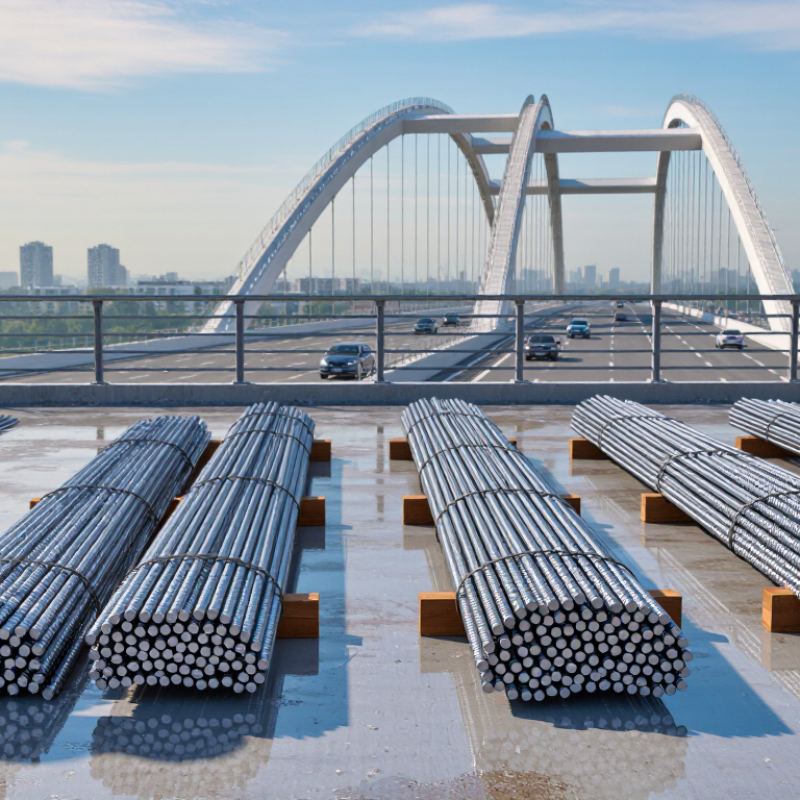
How to Choose Stainless Steel Rebar in 2026?

Define Project Requirements for Stainless Steel Rebar

How to Choose Stainless Steel Rebar in 2026?

Define Project Requirements for Stainless Steel Rebar

Start with exposure. Record whether the structure faces seawater, deicing salts, industrial chemicals, or ordinary indoor conditions. Chloride exposure can affect alloy selection, so avoid choosing a grade based on price alone. Define design loads, service life, concrete cover, bar diameter, and required strength with the project engineer. A clear specification gives suppliers comparable requirements and reduces guesswork.

Check construction details before ordering. Confirm bend shapes, bar lengths, fabrication limits, and whether welding is planned. Ask for material test reports and traceable grade identification, then verify that the specified stainless steel meets the project’s applicable standards. A common mistake is selecting a corrosion-resistant alloy without checking availability in the required bar sizes. That can delay delivery or force design changes. If exposure data is uncertain, document the uncertainty and seek qualified engineering advice rather than assuming the mildest conditions.

Tips: Make a one-page requirements sheet. Include exposure, loads, dimensions, finish, fabrication, documentation, and delivery date. Measure twice. Compare lifecycle costs, not just purchase prices; still, the estimate depends on maintenance assumptions, so record them.

Compare Stainless Steel Rebar Grades and Properties

How to Choose Stainless Steel Rebar in 2026?

Compare Stainless Steel Rebar Grades and Properties

Grade selection starts with the concrete environment, not a strength table alone. Type 304 can suit many sheltered or mildly exposed structures, but chloride splash may challenge it. Type 316 contains molybdenum, which generally improves resistance to chloride corrosion. Near a saltwater walkway, for example, wet joints and cracks deserve attention. Check the exposure.

Duplex 2205 typically offers higher strength and strong chloride resistance compared with common austenitic grades. Lean duplex 2304 may provide a useful middle ground, depending on the project’s requirements. These grades can reduce bar size or congestion in some designs, but that benefit needs structural verification. Fabrication also matters: bending limits, welding procedures, and supply availability vary. A neat comparison chart can still hide important details.

Confirm the applicable rebar standard and specified mechanical properties, since grade names and requirements are not identical across standards. Ask for mill test certificates, heat identification, and traceability from delivery to placement. Magnetic response is not a reliable grade test; duplex steel is magnetic, while cold-worked austenitic bars may show some magnetism. I would not choose by price per kilogram alone. A small site sample and review of exposure details can reveal assumptions the drawings missed. When chloride levels, coating damage, or maintenance access remain uncertain, document that uncertainty before final selection.

How to Choose Stainless Steel Rebar in 2026?

Compare the specified chromium-content ranges of common stainless steel grades. Chromium helps form stainless steel’s protective passive film, but chromium content alone does not predict corrosion performance.

Ranges are weight percent chromium from common grade specifications (ASTM A240/A240M). Actual rebar chemistry and mechanical properties must meet the applicable reinforcing-bar specification. For selection, also consider molybdenum, chloride exposure, required strength, fabrication, and project requirements.

Assess Corrosion Risks and Site Conditions

How to Choose Stainless Steel Rebar in 2026?
Assess Corrosion Risks and Site Conditions

Start with the exposure, not the bar catalog. Record whether the structure faces seawater spray, deicing salts, industrial runoff, or repeated wetting and drying. Check drainage, concrete cover, cracks, and planned maintenance. A shaded deck edge that stays damp may be more vulnerable than a nearby surface that dries quickly. Small site differences matter.

The NACE IMPACT study (2016) estimated global corrosion costs at US$2.5 trillion annually, about 3.4% of global GDP. It also estimated that applying existing corrosion-control practices could save 15–35% of those costs. FHWA’s 2002 U.S. corrosion-cost report estimated annual costs of US$276 billion across the economy. These figures are not rebar-specific, but they show why exposure assessment deserves real attention. Salt spray matters.

Match stainless grade and required performance to chloride exposure, concrete design, and service life. Ask the engineer to document the assumed chloride conditions and confirm the bar meets the project specification, such as ASTM A955/A955M where applicable. Review connection details too; dissimilar metals and poor drainage can undermine a sound material choice. I would not choose by alloy label alone. Site measurements and maintenance plans are sometimes incomplete, so record those uncertainties before ordering.

Check Standards, Certifications, and Product Traceability

How to Choose Stainless Steel Rebar in 2026?

Check the specified standard before comparing quotes. ASTM A955/A955M covers stainless steel bars for concrete reinforcement, but project documents may require a particular grade, size, or test method. Confirm the current edition and applicable local requirements with the engineer of record. A familiar standard name alone is not enough.

Ask for certificates tied to the actual heat or production lot. Review chemical composition, mechanical test results, bar size, and grade against the project specification. Make sure the certificate identifies the producer and matches the markings on the bars or bundle tags. Keep the link intact. A neat packet can still contain documents for a different lot, so check identifiers rather than relying on appearance.

Traceability should continue through cutting, bending, delivery, and site storage. Ask how altered bars retain their original heat or lot identification, and how mixed bundles are controlled. A delivery ticket should help connect each bundle to its supporting records. If a tag is missing, pause and request verification before installation. This check can feel fussy, especially on a busy site. It is still cheaper than trying to identify embedded steel later. When records are incomplete, document the gap and seek written clarification instead of assuming the material complies.

Evaluate Suppliers, Costs, and Long-Term Performance

Choosing stainless steel rebar in 2026 means weighing supplier reliability against the cost of long-term performance. Ask suppliers for grade documentation, material test certificates, and heat-by-heat traceability. Check that the proposed alloy suits the project’s exposure, especially where deicing salts or marine spray may reach the reinforcement. Confirm fabrication capability too: bends, welds, and handling can affect the finished product. A low quote is not automatically a saving.

Tips: Compare quotes using the same grade, bar sizes, quantities, delivery terms, and documentation requirements. Ask how substitutions are approved. Review sample certificates, not just sales sheets. Small detail, big difference.

Look beyond the purchase price. Stainless steel rebar can reduce corrosion-related repairs in demanding environments, but its value depends on design, installation, and service conditions. Compare expected maintenance needs and replacement access over the structure’s life. A detailed lifecycle estimate is useful, though assumptions about service life can be uncertain. Be cautious with precise savings claims unless the supplier explains the data behind them. Have the project engineer verify material specifications and compatibility with the concrete design. One detail is easy to overlook: availability and lead times may change, so confirm them before scheduling fabrication.

How to Choose Stainless Steel Rebar in 2026? – Evaluate Suppliers, Costs, and Long-Term Performance

Evaluation area Option or check Practical comparison What to verify before ordering
Exposure conditions Chlorides, de-icing salts, marine spray, chemicals, moisture, and temperature Grade selection depends on the actual exposure and design life. Chloride concentration, wetting and drying, concrete quality, and cover all affect corrosion risk. Provide project-specific exposure data to the engineer; do not select a grade from “coastal” or “marine” labels alone.
Stainless grade 304 / 304L family A commonly used austenitic stainless family. It may suit less severe exposures, but its suitability should be checked where chloride exposure is significant. Confirm the specified grade and applicable reinforcing-bar standard on the quotation, certificates, and delivery documents.
Stainless grade 316 / 316L family Contains molybdenum, which generally improves resistance to chloride pitting compared with 304. It is not immune to corrosion in every chloride environment. Check grade chemistry, mechanical properties, bar sizes, and whether the engineer has approved it for the project exposure.
Stainless grade Duplex 2205 family Often offers higher strength and strong chloride-corrosion resistance compared with common 300-series grades. Design, forming, welding, and availability need project-specific review. Confirm the exact product specification, mechanical test results, fabrication procedures, and compatibility with the structural design.
Applicable standard ASTM A955/A955M or the project’s governing equivalent ASTM A955/A955M covers stainless steel reinforcing bars for concrete reinforcement. Requirements depend on the specified grade and current standard edition. State the required standard, edition, grade, dimensions, mechanical properties, and any supplementary project requirements in the purchase specification.
Supplier capability Product traceability and quality controls A reliable supplier should be able to connect delivered bundles to documented grade, heat or batch identification, and inspection results. Request sample mill test certificates, traceability procedures, inspection records, and details of how nonconforming material is handled.
Testing and documentation Chemical composition, tensile properties, dimensions, and bend requirements Required tests and acceptance limits are determined by the governing specification and project documents; documentation should match the supplied heat or batch. Review certificates before acceptance and define any independent testing, sampling frequency, and inspection hold points in advance.
Fabrication and installation Cutting, bending, welding, handling, and identification Fabrication requirements vary by alloy and project. Avoid mixing grades or allowing contamination from carbon-steel tools and storage where the project specification prohibits it. Confirm approved bending and welding procedures, bar-marking conventions, storage practices, and site inspection responsibilities.
Initial cost Material price, fabrication, freight, and minimum order quantities Stainless rebar generally costs more upfront than conventional carbon-steel rebar. The premium varies with grade, size, quantity, processing, market conditions, and delivery location; no single price multiplier applies to all projects. Compare like-for-like written quotations with the same grade, standard, bar schedule, fabrication scope, delivery terms, and validity period.
Life-cycle cost Inspection, access, repair, traffic disruption, and replacement risk A higher initial material cost may be offset in some projects if corrosion-related repairs or closures are reduced. Savings are project-dependent and should not be assumed without analysis. Compare alternatives over the same analysis period using documented maintenance assumptions, discount rate, repair costs, and design-life requirements.
Availability and delivery Stock sizes, custom lengths, fabrication capacity, and lead time Availability differs by grade, diameter, shape, and region. Nonstandard sizes or fabricated shapes may require additional lead time. Obtain a written delivery schedule, confirm substitution controls, and identify the approval process for any proposed change in grade or source.
Final selection Engineering approval and documented comparison The best choice balances exposure resistance, structural requirements, availability, installed cost, and the owner’s maintenance strategy. Have the responsible structural engineer approve the grade and design assumptions before purchase; use current standards and project-specific specifications.