
Call Today: 916-259-1868

How to Buy EVBox Charging Stations in 2026?

Buying Evbox Charging Stations in 2026 starts with a clear picture of where and how they will be used. A home driveway, office garage, and public parking lot have different power, access, and payment needs. Before requesting a quote, estimate daily charging demand and check the site’s electrical capacity. A panel upgrade can change the budget quickly. Details matter.

Compare current product availability, connector options, charging speeds, and network features with your actual requirements. Ask the seller for written confirmation of the exact model, warranty terms, software costs, and support arrangements. Product names and specifications may change, and availability can vary by region. Do not rely on an old brochure or an unverified online listing. That can change.

Installation deserves equal attention. Request a site assessment that considers cable routes, parking layout, weather exposure, and possible future expansion. Confirm that the charger works with your vehicle and any required charging-management platform. For a business, clarify how users authenticate, how sessions are billed, and who handles faults. These details affect daily operations more than a headline charging speed. A licensed installer can assess local electrical requirements and provide a realistic installation estimate.

A careful purchase is not always the cheapest purchase. Compare complete costs, including installation and ongoing services, and keep key promises in writing. Some questions may remain unanswered until the seller confirms stock and support. That uncertainty is worth addressing before you commit.
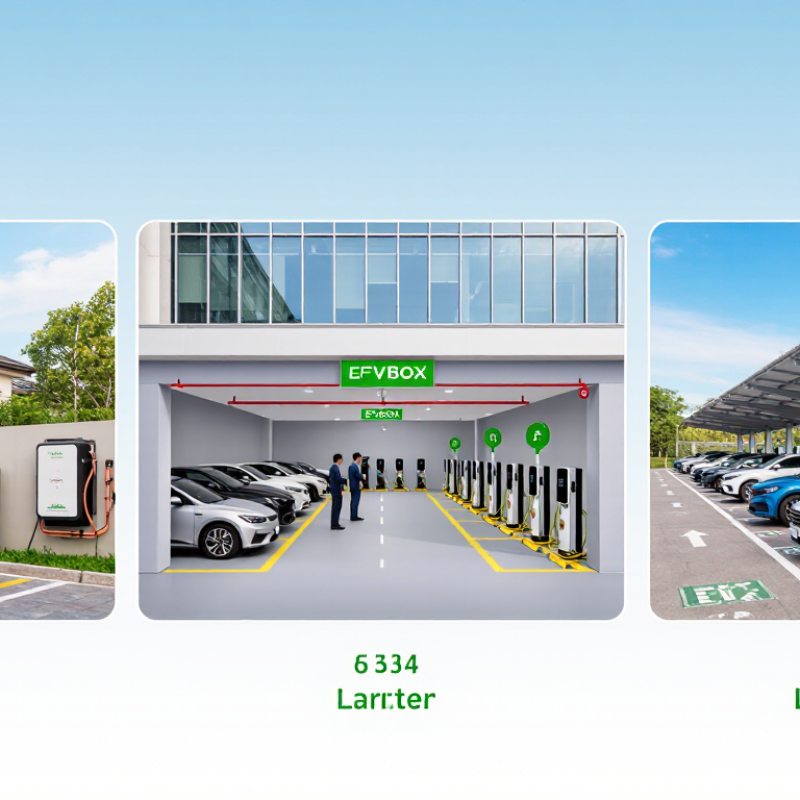
How to Buy EVBox Charging Stations in 2026?

Assess Your Charging Needs and Site Requirements

Before buying EV charging stations in 2026, define who will use them and when. Count vehicles during a typical week, then note peak arrival times and average parking duration. Workplace drivers may stay for hours, while visitors often need a faster turnaround. Estimate daily energy demand, not just the number of parking spaces. Measure twice. Keep room for growth, but avoid paying for capacity your site may not use.

Next, check the site’s electrical capacity, cable routes, and parking layout. A station’s advertised output does not guarantee that your building can supply it. Ask a qualified electrical professional to review the panel, load limits, and likely upgrade costs before you request final quotes. Check whether cables can reach parked vehicles without crossing walkways. Look for drainage, weather exposure, lighting, and accessible routes. These details can change installation costs. It is tempting to design for the busiest day, but oversized plans can leave equipment underused. Revisit your estimates; they may be imperfect.

Tips: Photograph the electrical room and parking area. Mark proposed station locations on a simple site plan, and record how far each spot sits from the panel. Share these details when requesting a site assessment.

How to Buy EV Charging Stations in 2026: Assess Your Charging Needs and Site Requirements

Typical charger power classes can help you match charging speed to your site’s dwell time, electrical capacity, and expected demand.

AC chargers commonly offer power classes around 7, 11, and 22 kW; DC fast chargers commonly range from 50 to 350 kW. Actual charging speed depends on vehicle capability, available site power, and installation design. Assess parking duration, expected usage, and electrical infrastructure before choosing equipment.

Verify EVBox Product Availability and Model Specifications

Before buying an EV charging station in 2026, confirm that the exact model is currently available in your region. A product page may remain online after stock or configurations change. Ask the seller for a dated quotation, estimated delivery window, and current product specification sheet. Keep those documents with your order records.

Check the details that affect daily use. Is the unit AC or DC? What output power does it support, and which connector is included? Confirm cable length, network connectivity, user access options, and whether the software features require a subscription. A 7-meter cable may reach a driveway more easily than a short one. Installation requirements matter, too: ask an electrician to verify supply capacity, mounting space, and any required upgrades before purchase.

Compare the written specifications with your site needs, not just the headline power rating. Request confirmation of warranty coverage, replacement parts, and technical support in your country. I would not treat an old brochure as proof; that is an easy mistake. Check the model number on the quotation against the unit being shipped. If any detail is unclear, pause and ask for a written answer. That extra step can feel tedious. It is still useful.

Compare Authorized Suppliers, Pricing, and Warranty Terms

Compare authorized suppliers using written proof of authorization, not a logo on a quotation. The International Energy Agency’s Global EV Outlook 2024 reports that public charging points worldwide exceeded four million in 2023, up about 40% from 2022. Growing demand makes dependable service important, but it does not make every offer comparable. Ask for itemized equipment, freight, installation, commissioning, software, and payment fees. Often overlooked. Still costly.

Match charger output to the vehicles and site capacity. The U.S. Department of Energy’s Alternative Fuels Data Center says Level 2 charging typically adds about 10–20 miles of range per hour; DC fast charging can add roughly 100–200 miles in 30 minutes, depending on conditions. Compare warranty length and coverage in writing, including parts, labor, replacement shipping, response times, and exclusions for cables or weather damage. Check when coverage begins: delivery, installation, or commissioning can change the effective term. A low quote may look persuasive. I would still question it if service response times and warranty exclusions remain vague. Make suppliers price the same configuration, then compare the total cost over the expected service period—not just the unit price.

Choose a Station and Confirm Installation Requirements

When comparing EV charging stations in 2026, start with the vehicles and drivers who will use them. A home charger may need one connector and a modest charging rate; a shared parking area may need several ports and access controls. Check the vehicle’s charging capacity before paying for a faster unit. More power is not always more useful.

Then confirm the installation requirements at the actual site. Ask an electrician to inspect the panel, available circuit capacity, grounding, and cable route. A long run from the panel can add cost. Note whether the station will sit in a garage or outdoors, where rain, sun, and freezing temperatures matter. Measure the distance from the proposed unit to the parked vehicle. It is an easy detail to miss.

Get the installer’s written estimate before ordering. It should identify any panel upgrade, trenching, mounting hardware, network connection, and commissioning work. Confirm whether the charger needs Wi-Fi or cellular service, and test signal strength where it will be mounted. Weak coverage can make setup frustrating. Also ask who handles local approvals and inspection scheduling, since responsibilities vary by location. A specification sheet cannot reveal every site problem; even careful planning may miss one. Keep a little room in the budget for surprises.

How to Buy EV Charging Stations in 2026? - Choose a Station and Confirm Installation Requirements

Decision Area What to Check Typical Information or Requirement Buyer Action
1. Charging use Location and expected dwell time Home, workplace, and overnight parking commonly suit AC charging. Public sites serving drivers who need shorter stops may require DC fast charging. Estimate daily energy needs, parking duration, number of vehicles, and expected simultaneous charging sessions.
2. AC station output Power rating and electrical supply Common AC ratings include about 7.4 kW at 230 V single-phase, 11 kW at 400 V three-phase, and 22 kW at 400 V three-phase. Actual output depends on the vehicle’s onboard charger and the installation. Confirm the supply voltage, phase, available current, and vehicle compatibility with a qualified electrician.
3. DC station output Power, grid capacity, and vehicle charging limits Commercial DC equipment is available across a broad range, often from around 50 kW to several hundred kilowatts. A vehicle’s battery and charging curve may limit the power it can accept. Request a site load assessment and confirm utility capacity before selecting a power rating.
4. Connector compatibility Country, vehicle fleet, and charging standard Connector standards vary by market. Type 2 is widely used for AC and CCS2 for DC in Europe; North American sites may need to account for J3400 (NACS) and CCS1 vehicles. Confirm current vehicle and local requirements. List the vehicles that will use the site and verify connector availability, cable reach, and any applicable adapter policy.
5. Electrical installation Panel capacity, circuit protection, and cable route Each installation must be sized to the equipment specifications and applicable local electrical codes. A dedicated circuit, suitable overcurrent protection, grounding, and correctly sized conductors may be required. Have a licensed electrical professional inspect the panel, cable distance, mounting location, and required permits.
6. Site and environment Mounting, exposure, access, and protection Check whether the unit is intended for indoor or outdoor use, its stated environmental rating, available mounting method, vehicle clearance, lighting, and protection from impact or water ingress. Measure the parking area and cable reach; confirm accessibility and local safety requirements for the intended site.
7. Connectivity and software Network coverage and system integration Stations may support Ethernet, Wi-Fi, or cellular connections. If connecting to a charging management platform, check supported OCPP versions and required features with both providers. Verify signal strength at the installation point, network costs, remote monitoring, user access, and payment requirements.
8. Load management Multiple stations and demand limits Load management can help distribute available electrical capacity among charging points, but its functions and installation requirements depend on the equipment and site design. Ask whether dynamic load management is supported and what additional meters, controllers, or network connections are needed.
9. Purchase and installation quote Scope, exclusions, and schedule A complete quote should distinguish the charging unit from electrical work, trenching, cabling, networking, permits, commissioning, and any required utility upgrades. Request an itemized quote, written installation scope, warranty terms, commissioning plan, and confirmation of who obtains permits.
10. Final confirmation Specifications and readiness to install Before ordering, match the selected model’s power, connector, supply, mounting, connectivity, and environmental specifications to the approved site design. Obtain written confirmation from the installer that the chosen equipment is suitable for the site and local requirements.

Requirements vary by location, equipment, and site conditions. Confirm electrical design and permitting with qualified local professionals before purchase or installation.

Complete the Purchase and Arrange Setup and Commissioning

Before paying, match the quotation to the site, not just the charger’s headline power. The International Energy Agency’s Global EV Outlook 2024 reports that public charging points grew 40% worldwide in 2023, while fast chargers grew 55%. That expansion makes practical details more important: verify connector type, charging capacity, cable reach, warranty, and software fees in writing. Ask the supplier to confirm delivery dates, payment milestones, and who handles damaged equipment. Keep copies.

Arrange an electrical survey before installation. The installer should check panel capacity, cable routes, earthing, and network coverage, then identify any civil work or permits required for the site. A neat drawing can still miss a blocked trench or a weak mobile signal.

I would not treat commissioning as a quick power-on. Request documented tests for electrical protection, charging sessions, user access, billing, and remote monitoring. The U.S. Department of Energy’s Alternative Fuels Data Center offers guidance on charging equipment and installation considerations; use it alongside local technical requirements.

Test before handover.

Record the charger’s serial number, settings, test results, and support contact, and make sure the site manager can restart the unit and report faults. A short practical briefing can prevent avoidable downtime.