7 Tips for Buying an Audi RS Q3 Body Kit
Choosing an Audi Rs Q3 Body Kit is not just a styling decision. The right parts should suit the vehicle’s model year, existing trim, and intended use. A bumper that looks perfect in a product photo may sit differently on your car. Fitment details matter. So does the material. ABS plastic, fiberglass, and polyurethane can differ in flexibility, finish, and repair needs, so check the manufacturer’s specifications rather than relying on appearance alone.
This guide presents seven practical tips for comparing options, from verifying compatibility to reviewing the seller’s return policy. Look closely at close-up product images, included hardware, and whether the kit arrives primed or ready for paint. Ask who handles installation, too. Some parts need professional fitting, and extra labor can change the total cost. Measure twice. Pause before ordering. A low price can be tempting, but unclear fitment information is a warning worth investigating.
There is no single best kit for every RS Q3. Your budget, preferred look, local requirements, and willingness to maintain the finish all shape a sensible choice. Even careful research cannot guarantee a flawless fit, especially when listings omit useful details. That deserves a second look. Use these tips to ask better questions, compare complete costs, and make a decision based on verifiable product information—not just a dramatic image.
Identify Your Audi RS Q3 Generation and Fitment Requirements
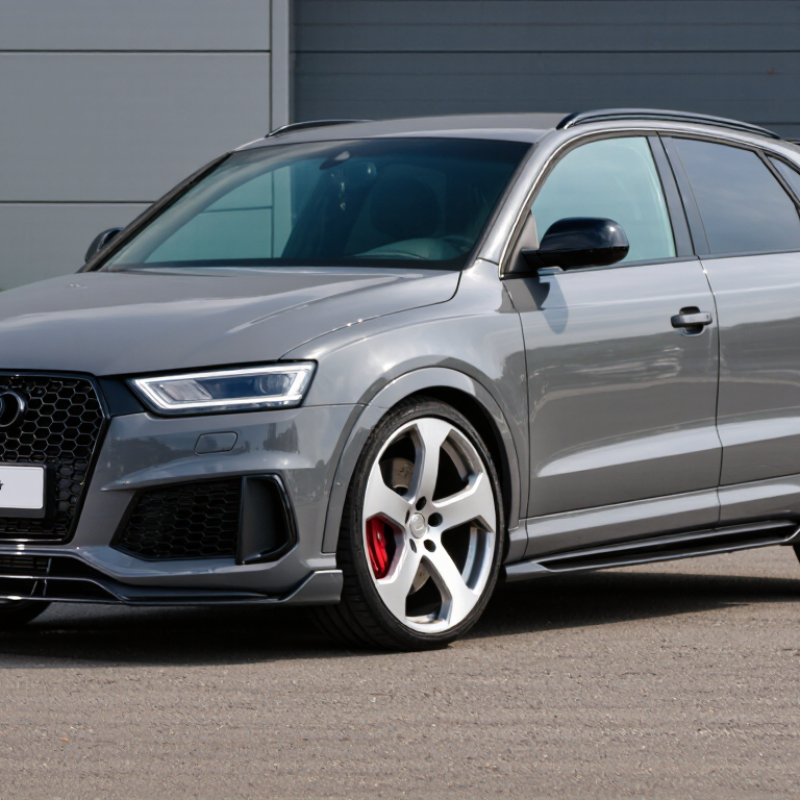
Before choosing a body kit, confirm your vehicle’s model year and generation using its registration documents and vehicle identification details. The RS Q3 has changed across production years, and facelift updates can alter bumper shapes, grille openings, and mounting points. A kit described as “RS Q3 compatible” may still fit only a specific year range. Check the seller’s fitment chart carefully.
Compare the kit with your actual front and rear bumpers, not just online photos. Look at the wheel-arch edges, parking sensor positions, exhaust cutouts, and any factory trim that the kit must clear. Measure twice. If your vehicle has optional equipment or a previous repair, mention it before ordering. Small differences can mean extra trimming, uneven gaps, or sensors that no longer sit correctly. That part is easy to overlook.
Ask for clear underside and mounting-point photos, plus installation notes for your exact generation. Confirm whether the pieces attach to factory holes or require additional preparation, and whether clips or fasteners are included. A careful installer can spot conflicts before paint is applied. Still, documentation is not always complete; treat vague fitment claims as a reason to request written confirmation, not as proof of a perfect fit.
Compare Materials, Construction Quality, and Finish Options
For a compact performance SUV body kit, compare the material before judging the finish. ABS is commonly used for molded parts and can produce consistent shapes. Polyurethane offers more flex, which may help with minor knocks. Fiberglass is rigid and often needs careful fitting; poorly supported edges can crack. Material alone does not guarantee quality.
Inspect construction closely. Look for even panel thickness, clean edges, reinforced mounting points, and hardware that aligns with factory locations. Ask whether the parts have been test-fitted before painting. A glossy finish can hide ripples, filler, or uneven gaps. Small details matter. SEMA’s 2024 market report valued the U.S. specialty-equipment market at about $52 billion in 2023, but market size is no substitute for checking a specific kit.
Finish options usually include raw, primed, painted, or carbon-look surfaces. Raw parts may need sanding and preparation; primer is not always ready for paint. Painted finishes can match the vehicle, but color and gloss may vary under daylight. Carbon-look finishes can conceal a printed pattern rather than real composite material, so ask for close-up photos and a clear materials description. I would not rely on showroom images alone. A slightly imperfect fitment note is more useful than vague claims of “premium quality.”
Check Road-Legal Requirements and Installation Compatibility
Before buying a body kit, check the rules where the vehicle is registered and driven. Requirements can differ by location, especially for bumper shape, lighting, reflectors, and number-plate visibility. A part that looks acceptable online may still need inspection or supporting documentation. Ask the relevant transport authority or a qualified inspection centre what applies to your vehicle. Keep written guidance and any compliance documents with the purchase records. Small details matter. Even a slightly altered lamp opening can affect visibility or inspection results.
Compatibility deserves the same care. Confirm the vehicle’s model year, trim, factory options, and existing modifications before ordering. Compare mounting points and check whether the kit clears parking sensors, cameras, wheel arches, and standard fasteners. Ask for a fitment list and installation instructions, not just attractive photos. Measure twice. A small mismatch can leave uneven panel gaps or require extra work. Have an experienced installer test-fit the parts before paint, then check panel alignment, sensor operation, and wheel clearance. Fitment guides are useful, but they can miss earlier repairs or unusual factory options. That uncertainty is worth discussing before spending money.
Evaluate Seller Reliability, Warranty Coverage, and Total Cost
Before buying a body kit for a compact performance SUV, check who is selling it, not just how polished the photos look. Ask for clear images of the actual parts, including mounting points, inner edges, and any surface defects. A reliable seller should answer fitment questions specifically and explain what is included. Vague claims like “easy installation” are not enough. Get the material, finish, and delivery timing in writing, and keep the messages. Small details matter.
Read the warranty terms before checkout. Check how long coverage lasts, which parts it includes, and whether damage during shipping or installation is excluded. Ask who handles a claim and what proof is required. Keep your invoice and photograph the package before opening it. That takes a minute. It can save an argument later.
Price the whole job, not only the kit: shipping, paint matching, brackets, professional fitting, and possible adjustments can add up. I would also leave room for an unexpected expense; fitment can be imperfect, even when the listing sounds confident. A low advertised price may not stay low once the parts reach the workshop. Compare written quotes and warranty details side by side before deciding.