
Choosing the best Portable Mini Fridge in 2026 means looking beyond its advertised capacity. A compact fridge may fit neatly beside a car seat, yet struggle to hold drinks and snacks at a steady temperature. The right choice depends on where it will run, what it needs to store, and how often it will travel. Small details matter. Check the usable interior space, power options, temperature controls, and ventilation needs before comparing prices.
This guide explains the differences between common cooling designs, including compressor and thermoelectric models, without assuming one type suits every trip. It also examines practical factors such as noise, energy use, portability, cleaning, and manufacturer support. A fridge for a weekend campsite has different demands from one used in a bedroom or work van. Keep the intended setting in mind. Product specifications can be useful, but they do not always tell the whole story; real performance may vary with room temperature, loading, and airflow. That deserves a closer look. Rather than treating a single model as universally best, the recommendations should weigh documented features against everyday needs. Compare the details, and consider which trade-offs you can live with.
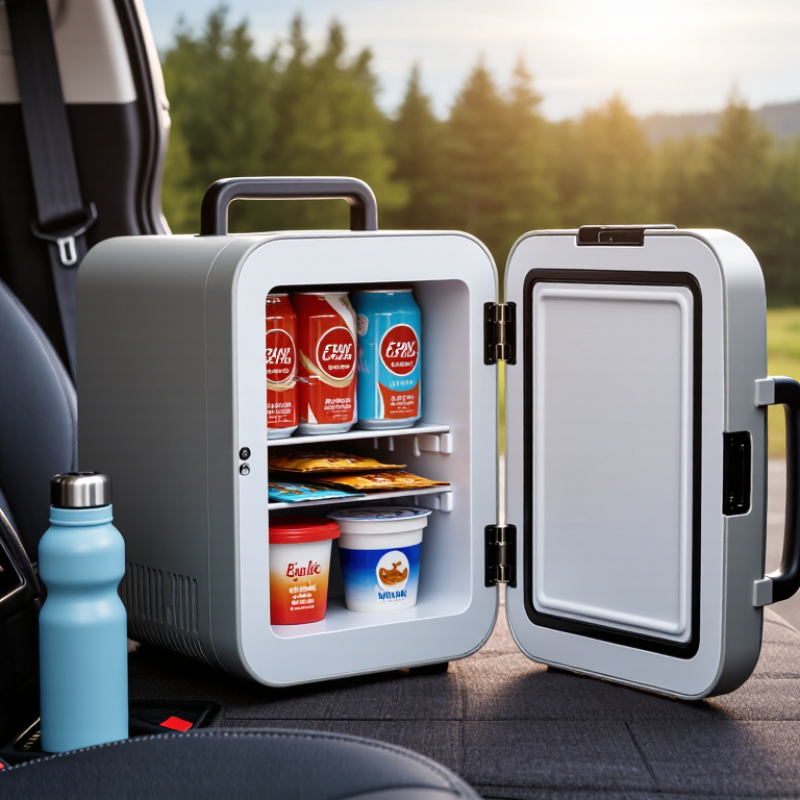
Portable Mini Fridges in 2026: Core Types, Components, and Cooling Methods
A portable mini fridge is more than a cold box. Its cooling method shapes noise, power use, and performance in warm surroundings. Compressor models circulate refrigerant through an evaporator and condenser, much like household refrigerators. They usually cool more reliably in hot cars or rooms, but their compressor cycles on and off. Thermoelectric models use a Peltier module, with no compressor or moving refrigerant. They are often lighter and quieter, yet usually cool only a set amount below ambient temperature. That difference matters on a sunny afternoon. Absorption units use heat to drive a cooling cycle; they suit some off-grid setups, though efficiency depends on the heat source and ventilation.
Look inside the cabinet, too. Foam insulation slows heat transfer; door seals limit warm-air leaks. A thermostat, temperature sensor, and control board regulate cooling, while vents help release heat. Poor airflow can undermine a good design. U.S. EPA and DOE ENERGY STAR compact-refrigerator guidance reports that certified models use about 10% less energy than models meeting the federal minimum standard. This is useful context, not a guarantee for every portable unit or cooling method. Check the test conditions and power draw, especially when comparing vehicle adapters or battery use. A tidy specification sheet can still leave questions. I would check interior temperature stability, not just the lowest advertised setting.
| Type or component | Cooling method or role | Typical capacity or performance | Power and operating needs | Advantages | Limitations and best use |
|---|---|---|---|---|---|
| Compressor Mini Fridge | A compressor circulates refrigerant through an evaporator and condenser, moving heat out of the insulated cabinet. | Portable models commonly range from about 15 to 50 L. Many can cool to refrigerator temperatures and some can freeze; exact limits depend on the model. | Usually runs from 12/24 V DC, AC power, or both. The compressor cycles on and off, so average power use depends on ambient temperature, insulation, and set temperature. | Most suitable for reliable cold storage in hot weather, temperature control, and occasional freezing. | Has moving parts and may make some operating noise. A good general choice for camping, vehicles, and longer trips when dependable cooling matters. |
| Thermoelectric mini fridge | A Peltier module transfers heat between its two sides when electricity passes through it; a fan helps move heat away from the hot side. | Often sold in compact capacities of roughly 4 to 30 L. Cooling is commonly specified as a temperature difference below the surrounding air, often around 15–20°C, rather than a fixed internal temperature. | Typically powered by 12 V DC or an AC adapter. The fan and cooling module may draw power continuously while cooling. | Simple construction, no refrigerant circuit, and generally light and compact. | Cooling is strongly affected by ambient temperature and may not keep food at a safe refrigerator temperature in a hot environment. Best for drinks or short-term cooling in moderate conditions, not freezing. |
| Absorption mini fridge | Heat drives a refrigerant and absorbent cycle, usually using ammonia, water, and hydrogen in a sealed system. | Portable units are commonly in the small-to-medium range, often about 20–40 L. Cooling performance depends on ambient temperature and the selected heat source. | Some models can use AC electricity, DC electricity, or LPG. Many require careful leveling; follow the operating instructions for the specific unit. | No compressor or conventional moving cooling parts, and some models can operate without an electrical supply when used with an approved fuel source. | Often cools slowly and may be less effective in high heat. Best where quiet operation or fuel flexibility is useful and ventilation and safe fuel handling are available. |
| Compressor | Pressurizes refrigerant vapor so the refrigeration cycle can reject heat at the condenser and absorb it at the evaporator. | Key component in compressor-type fridges; cooling capacity is not the same as storage capacity. | Requires electrical power and startup current can be higher than steady running current. Check the unit’s rated input and power-source requirements. | Enables effective cooling across a broader range of outdoor temperatures than typical thermoelectric units. | Noise, vibration, ventilation clearance, and power-source capacity are important considerations. |
| Evaporator and condenser | The evaporator absorbs heat from inside the cabinet; the condenser releases that heat into the surrounding air. | Present in compressor systems. Their ability to exchange heat affects how quickly the fridge cools and how efficiently it runs. | Keep air inlets and outlets unobstructed. Hot surroundings and poor ventilation can reduce performance. | Efficient heat transfer supports stable cabinet temperatures. | Do not enclose the fridge tightly or place it next to a strong heat source unless the manufacturer allows it. |
| Peltier module and fan | The module pumps heat across a semiconductor junction; fans move air over the hot and cold heat sinks. | Used in thermoelectric units, generally suited to modest cooling rather than freezing. | Needs a suitable DC supply. Fan airflow and clean vents help the system operate as intended. | Compact cooling system with few mechanical parts. | Performance falls as the temperature difference between the cabinet and the surrounding air increases. |
| Insulated cabinet and lid seal | Slows heat entering the storage compartment and limits loss of cold air when the lid is closed. | Found across portable fridge types; insulation quality and seal condition affect temperature stability and energy use. | Keep the lid closed, minimize warm-air exchange, and avoid direct sunlight when possible. | Helps the cooling system maintain temperature with less frequent or less demanding operation. | Repeated opening, damaged seals, and warm items placed inside increase the cooling load. |
| Temperature control and sensor | A sensor measures cabinet temperature; the control system adjusts the cooling cycle or power level. | Available on many compressor fridges and some other designs. Displayed settings may differ slightly from the temperature in every part of the cabinet. | Use the recommended setting and allow time for the contents to cool. A separate thermometer can help verify storage temperature. | Makes it easier to manage chilled or frozen storage. | Temperature can vary by location and change when the lid is opened or the fridge is heavily loaded. |
| Power input and battery protection | Connects the fridge to an AC outlet, vehicle DC outlet, or compatible battery system; some models include low-voltage protection. | Compatibility varies. Check voltage, connector type, rated current, and battery-protection settings before purchase. | Battery runtime depends on battery capacity, ambient temperature, set point, insulation, and compressor cycling or continuous operation. | Multiple input options can make a fridge more useful at home and on the road. | Do not assume a vehicle outlet or battery can supply enough power. Follow the fridge and battery manufacturers’ instructions. |
| Practical selection guide | Match the cooling system to the intended temperature, climate, power source, and trip length. | Choose capacity based on the amount of food or drink you need to store, while allowing room for airflow inside. | Compare the specified operating voltage and power draw with the available outlet or battery system. | For broad outdoor use and stronger cooling, a compressor model is often the most versatile type. For simple drink cooling in mild conditions, a thermoelectric model may suffice. | Consider an absorption model when its quiet operation or approved fuel options suit the setting. Always check temperature capability, ventilation, leveling, and safety instructions. |
Note: Capacity and performance figures are typical ranges, not guarantees. Specifications vary by design, and cooling performance depends on ambient temperature, ventilation, loading, and power supply. For perishable food, verify that the interior stays at or below 4°C (40°F); use a freezer-capable unit for frozen storage.

© 2024 Sierramotion. All Rights Reserved