2026 Top Types of Dressings for Venous Ulcers
Venous Ulcers are chronic wounds linked to impaired blood flow in the leg veins. They often appear near the ankle, where a shallow wound may sit beneath swelling, dry skin, or brown discoloration. A widely cited epidemiology review estimates that chronic leg ulcers affect about 1% of adults, with venous disease responsible for many cases (Agale, 2013). The burden is not just clinical: persistent drainage, discomfort, and repeated dressing changes can disrupt daily routines.
Choosing a dressing is only one part of care. The 2022 European Society for Vascular Surgery guidelines identify compression therapy as central to managing venous leg ulcers, when clinically appropriate. Clinicians also assess circulation, wound depth, exudate, surrounding skin, and signs of infection before selecting a product. Small details matter. A heavily draining wound may need an absorbent dressing, while fragile surrounding skin may benefit from gentler adhesive choices. The Cochrane review of dressings and topical agents found that evidence comparing many options remains uncertain (Norman et al., 2018). The evidence is useful, but not tidy.
This guide reviews the 2026 top types of dressings for venous ulcers, including foams, alginates, hydrofibers, and contact layers. It explains where each option may fit, what to watch for, and why no dressing suits every wound. Product claims deserve scrutiny, and clinical judgment still matters. A dressing can support care; it cannot correct venous pressure on its own.
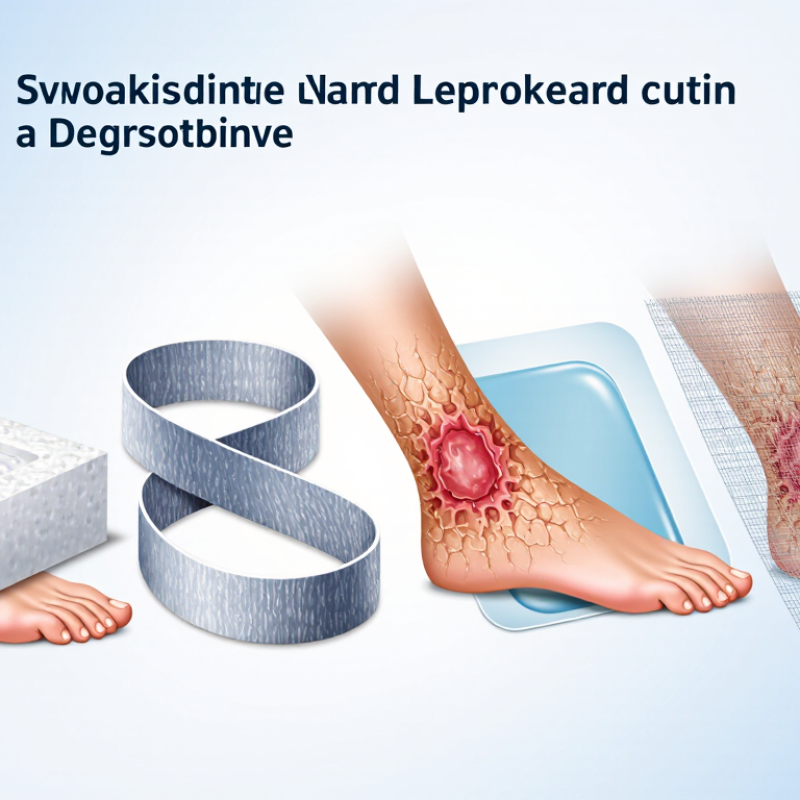
Understanding Venous Ulcers and the Role of Dressings
Venous ulcers are open wounds most often found around the lower leg, especially near the ankle. They develop when blood does not return efficiently through the veins, raising pressure in the tissues. Swelling, aching, and brownish skin changes may appear nearby. The cause matters. A dressing can protect the wound, but it cannot correct poor circulation on its own.
The right dressing helps manage moisture and shield fragile skin. A lightly draining wound may need a dressing that maintains a balanced, moist surface. Heavier drainage may call for a more absorbent option, such as foam or alginate, selected by a qualified clinician. Too much moisture can soften the surrounding skin; too little may leave the wound dry and uncomfortable. Small changes matter.
Compression is often central to venous-ulcer care, but it should follow an assessment of circulation and overall health. Dressings work alongside that plan, not instead of it. In practice, dressing changes rarely look as neat as diagrams suggest: drainage, discomfort, and skin sensitivity can vary from day to day. Clinicians should review progress and watch for increasing redness, warmth, pain, or a sudden change in drainage. These signs deserve timely medical attention.
2026 Top Types of Dressings for Venous Ulcers: Understanding Venous Ulcers and the Role of Dressings
Venous leg ulcers are wounds associated with chronic venous hypertension, commonly occurring around the lower leg and ankle. Dressings help manage wound moisture, drainage, and protection; they do not treat the underlying venous pressure.
| Dressing Type | Typical Role | Often Considered When | Key Considerations |
| Non-adherent contact layer | Provides a low-adherence interface to help protect the wound surface and reduce trauma during dressing changes. | For shallow wounds, fragile tissue, or use beneath an absorbent secondary dressing. | Usually has limited fluid-handling capacity on its own. Select a compatible secondary dressing if drainage needs to be absorbed. |
| Foam dressing | Absorbs light to moderate exudate and helps cushion and protect the wound. | For wounds with ongoing drainage where a soft, absorbent dressing is appropriate. | Choose the size and absorbency to suit the wound and surrounding skin. Secure without excessive pressure or constriction. |
| Alginate dressing | Forms a gel as it absorbs wound fluid, helping manage moderate to heavy exudate. | For a moist, draining wound, including wounds with a cavity that can be loosely filled. | Generally unsuitable for dry wounds. Do not pack cavities tightly; use a secondary dressing as needed and follow product instructions. |
| Hydrofiber dressing | Absorbs exudate and forms a cohesive gel that can help contain fluid within the dressing. | For moderate to heavy drainage or where managing fluid at the wound surface is important. | Typically requires a secondary dressing. Reassess if the wound becomes dry or the dressing adheres. |
| Superabsorbent dressing | Provides high fluid-handling capacity and helps reduce leakage from heavily exuding wounds. | For wounds producing substantial drainage, often as an absorbent secondary dressing. | Protect the surrounding skin from prolonged exposure to moisture. Ensure the dressing remains secure under the chosen bandage system. |
| Hydrocolloid dressing | Creates a moist wound environment and can support autolytic removal of slough in selected wounds. | For shallow wounds with low to moderate exudate when the surrounding skin can tolerate the adhesive. | May be unsuitable for heavily draining wounds or fragile, irritated, or macerated surrounding skin. Monitor for leakage and skin changes. |
| Antimicrobial dressing (for example, silver-containing) | May be used for a limited period when a clinician identifies a specific concern about local wound bioburden or infection. | Only when supported by clinical assessment and a defined review plan. | Not recommended as routine treatment for every venous ulcer. Reassess the need and discontinue if there is no ongoing indication. |
| Barrier film or skin protectant | Protects intact skin around the ulcer from moisture and adhesive-related injury. | When exudate, frequent dressing changes, or adhesives put the surrounding skin at risk. | Apply to the surrounding skin according to product instructions; avoid obstructing assessment of the wound itself. |
Clinical note: Compression therapy is a central part of treatment for many venous leg ulcers, but suitability should be assessed by a qualified clinician, including evaluation of arterial circulation. Dressing selection and change frequency should be tailored to the wound, exudate level, surrounding skin, and clinical plan. Increasing pain, spreading redness, warmth, swelling, fever, or rapidly worsening drainage requires prompt medical assessment.
Assessing Wound Needs Before Selecting a Dressing
Before selecting a dressing, assess the ulcer rather than relying on appearance alone. Measure its length, width, and depth consistently, noting undermining or exposed structures. Check the wound bed for granulation, slough, or dry tissue. Estimate drainage over a full dressing interval; a pad soaked through by noon may signal a poor fit. Inspect nearby skin for whitening, fragile edges, redness, warmth, or irritation. Small details matter. Ask about pain, allergies, mobility, and what the patient can manage at home. This assessment can be imperfect: drainage changes with activity and compression, so one snapshot may mislead.
For venous ulcers, compression is often central to care, but circulation and suitability should be assessed by a trained clinician before it begins or changes. Match absorbency to wound moisture, avoiding materials that dry onto the wound. Foam, alginate, hydrofiber, or a contact layer may be appropriate depending on depth and drainage. If odor persists after cleansing, or redness spreads, pain increases, or fever develops, seek prompt clinical review. The right choice may change. Record the dressing, wear time, comfort, and skin response, then reassess at each change. A dressing can protect tissue, but it cannot correct poor circulation or replace careful compression planning.
Types of Dressings Used for Venous Ulcers
Venous ulcer dressings mainly control fluid, protect fragile tissue, and reduce discomfort; compression remains central when clinically appropriate. The right choice depends on exudate, wound depth, surrounding skin, and signs of infection. For a wet ulcer, alginate or gelling-fibre dressings can absorb fluid, often with a foam secondary dressing. Change them before leakage or saturation damages the surrounding skin. For a lightly draining wound, a soft silicone contact layer or low-adherence dressing may help limit trauma during removal. A barrier product can protect pale, softened skin at the wound edge. Small details matter.
Evidence does not identify one dressing as best for every venous ulcer. A 2018 Cochrane review examined 78 trials involving 7,014 participants and found no reliable evidence that one dressing or topical-agent class consistently improved healing over others. The review also noted limitations in the evidence, so these findings should not be read as proof that all products perform equally. Hydrocolloids may suit some shallow wounds with modest drainage, but can be unsuitable when exudate is heavy. Antimicrobial dressings, such as those containing silver, are generally considered when infection is suspected, with regular review rather than automatic prolonged use. Even a sensible choice can miss the mark; reassess the wound, pain, leakage, and skin condition at each dressing change.
Matching Dressings to Wound Characteristics
A venous ulcer’s dressing should match its moisture level, tissue, and surrounding skin. A heavily draining wound may need an absorbent alginate or hydrofiber layer, often covered with foam to manage leakage. If the wound is shallow and lightly moist, a non-adherent contact layer can reduce trauma during changes. Too much absorption can leave the wound bed dry. Too little can soften the edges and irritate nearby skin.
Evidence does not support choosing dressings by category alone. A 2018 Cochrane review examined 78 randomized trials involving 7,014 people with venous leg ulcers; evidence comparing many dressing types was low certainty. In practice, reassess drainage, wound size, pain, and edge condition at each change. Compression remains central to venous ulcer care, but clinicians should assess arterial circulation before applying it. Small details matter.
Protect the surrounding skin when moisture is causing whitening or breakdown; a barrier product may help. For a dry wound bed, a moisture-donating dressing may be considered, while fragile granulation tissue usually benefits from gentle removal and minimal disturbance. A dressing will not correct poor venous return on its own. I have seen dressing choice become too habitual; that deserves a second look when the wound changes. If redness spreads, pain increases, or drainage becomes purulent, seek clinical assessment rather than simply switching dressings.
Applying, Changing, and Monitoring Dressings
For venous ulcers, dressing care works best as part of a wider plan that addresses leg swelling, often with clinician-guided compression. Clean your hands before and after each change. Use the cleansing method recommended by your wound-care professional, then gently pat the surrounding skin dry. Choose a dressing that suits the wound’s drainage and condition; a heavily oozing wound may need more absorbency than a nearly dry one. Avoid pulling off material that sticks. Pause, moisten it as directed, and seek advice if removal causes pain or bleeding.
Change dressings according to the care plan and the product instructions, not simply because a set number of days has passed. Check sooner if the dressing leaks, becomes loose, or is soaked through. At each change, note drainage, odor, wound size, and skin changes. A small ruler and dated notes can help reveal progress. Seek prompt medical advice for spreading redness, increasing warmth, worsening pain, fever, or a sudden change in the wound. These signs need assessment; smell alone does not confirm infection.
Tips: Keep supplies on a clean surface and prepare them before removing the old dressing. Protect fragile skin around the wound from adhesive injury. If compression feels unusually tight, causes numbness, or makes toes change color, contact a clinician promptly. Small details are easy to miss during a rushed change, so take a moment to look closely.
2026 Top Types of Dressings for Venous Ulcers
Qualitative comparison of typical absorbency—not a measure of healing effectiveness.
Alginate and hydrofiber dressings are generally used for more heavily exuding wounds; foam offers moderate to high absorption, while hydrocolloid and non-adherent contact layers are typically suited to lower exudate levels. Absorbency varies by product. Choose and change dressings according to wound assessment, exudate, product instructions, and clinician guidance. Compression is a key part of venous leg ulcer care when clinically appropriate; dressings do not replace it.